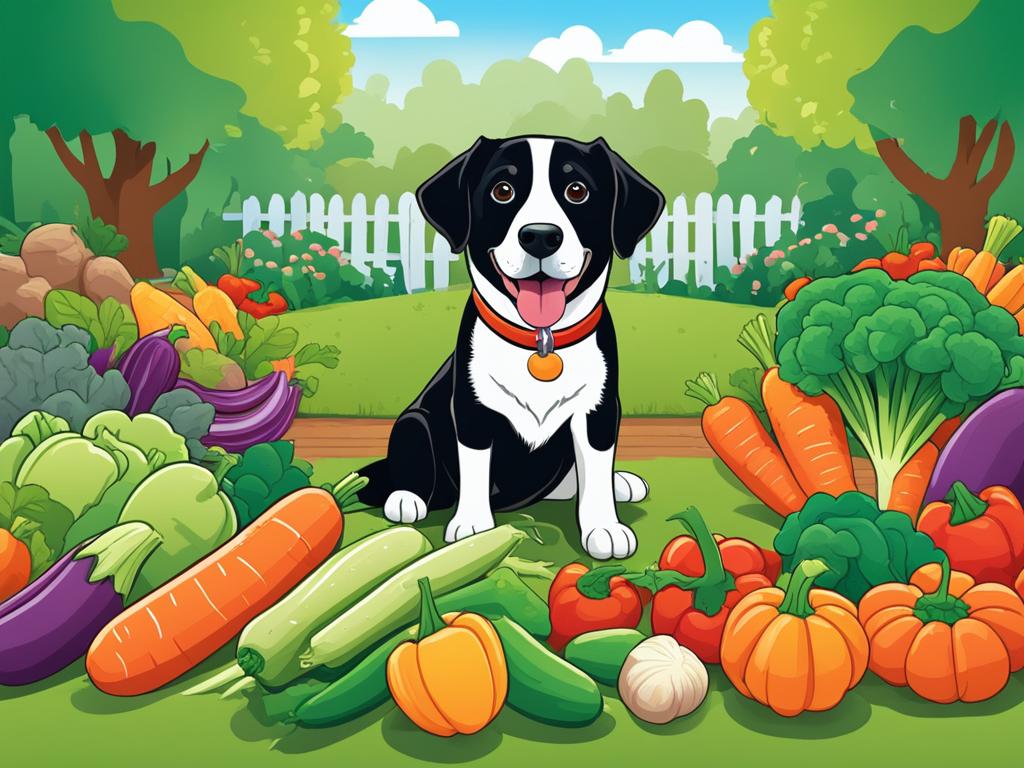
If you’re a dog owner, you might often catch yourself scouting for healthy treats for dogs that align with proper canine nutrition. Although your furry friend might gaze longingly at whatever you’re munching on, not all human food is beneficial—or even safe—for your canine companion. Due to considerable differences in metabolism and dietary needs between dogs and humans, it’s crucial to distinguish between the snacks that can contribute to our pets’ health and those that could harm them. Fortunately, a variety of dog-safe vegetables are both nutritious and safe as occasional snacks, packed with vitamins, minerals, and antioxidants to supplement your dog’s diet healthily.
Let’s delve into the world of vegetables that are not just permissible for your dog’s consumption but can actually bolster their health and vitality. Understanding which veggies are dog-friendly is a small, but mighty step toward ensuring your pet enjoys a varied and nutritious diet.
Key Takeaways
- Discover which vegetables are safe and nutritious for your furry friend’s diet.
- Learn about the essential nutrients provided by dog-safe vegetables.
- Find out how snacks fit into a balanced canine nutrition plan.
- Unpack the role of vegetables in promoting a healthy weight for dogs.
- Identify the veggies that are beneficial and those to avoid for canine safety.
Understanding Your Dog’s Dietary Needs
As you consider the myriad of food options for your furry friend, it’s vital to prioritize dog digestion and cater to their unique dietary requirements. A robust comprehension of dog diet essentials is essential in promoting optimal canine health. Unlike humans, dogs are equipped with a digestive system that’s adapted to process both animal-based and plant-based proteins, yet it’s markedly different from our own.
What constitutes a balanced diet for your dog? How much of their nutrition should come from vegetables? Well, while veggies can provide a treasure trove of nutrients, they are the side dish rather than the main course. Let’s delve into the particulars of what a balanced canine diet should include:
| Nutrient Category | Function | Food Sources |
|---|---|---|
| Proteins | Support muscle growth and repair | Chicken, beef, eggs, peas |
| Carbohydrates | Provide energy | Whole grains, vegetables |
| Fats | Energy-dense nutrient & support skin and coat health | Fish oils, flaxseeds |
| Vitamins & Minerals | Maintain bodily functions | Leafy greens, carrots, dog-formulated supplements |
When you consider including vegetables in your dog’s diet, view them as supplementary nutrients rather than staples—think of them as the cherry on top of a well-rounded meal. Introducing the appropriate vegetables can enhance your pal’s health by providing extra vitamins and fiber, but always remember that these should complement, not replace, their primary meals designed specifically for canine nutritional needs. So, while you’re aiming to provide the best for your dog, always go for a balanced approach to their diet.
Health Benefits of Vegetables for Dogs
Vegetables pack a punch when it comes to enhancing your canine’s health. Incorporating the right veggies into their diet can lead to a multitude of benefits, from maintaining a healthy weight to fortifying their immune system. Not just a splash of color on their dinner plate, vegetables are a source of essential nutrients that can contribute to a happy and vigorous life for your furry friend.
Weight Management and Digestive Health
Vegetable treats are not just tasty; they’re also instrumental in weight control due to their low caloric content and high fiber for dogs. Fiber-rich veggies like pumpkin and carrots can help your dog feel satiated without the guilt of excess calories, assisting in maintaining a healthy weight. These fibers play a crucial role in dog digestion, keeping bowel movements regular and aiding anal gland health, which is paramount to preventing the discomfort of constipation.
Boosting the Immune System
Your dog’s immune system is their first line of defense against illness, and the right vegetables can be the reinforcements it needs. Rich in vitamins and minerals, veggies offer a substantial boost to canine immune health. The antioxidants for dogs found in vegetables such as spinach and broccoli help to combat the free radicals that contribute to cellular damage and diseases.
Diabetes Management and Antioxidants
For dogs living with diabetes, managing their diet is key to maintaining their health. Vegetables with low glycemic indexes can help stabilize blood sugar levels, essential for dog diabetes control. Moreover, natural vegetable antioxidants serve as a tool to mitigate the risk of complications such as heart disease and cancer, reinforcing the overall strength of your dog’s health regimen.
| Vegetable | Benefits | Notes for Feeding |
|---|---|---|
| Carrots | Source of fiber, supports dental health | Feed in moderation; suitable as a crunchy treat |
| Green Beans | Low calorie, high in fiber | Excellent for weight management; can be given raw or cooked |
| Pumpkin | High in fiber, aids in digestion | Good for both constipation and diarrhea; ensure no added sugars or spices |
| Spinach | Rich in antioxidants and iron | Feed in small quantities to avoid urinary issues |
| Broccoli | High in fiber and vitamin C | Given in moderation; cut into small pieces to prevent choking |
What Vegetables Can Dogs Eat?
As a dog owner, ensuring that your furry friend maintains a balanced diet is essential. You’ll be pleased to know that many vegetables offer a range of nutritional benefits and can be included in your dog’s meals as tasty, low-calorie additions. Let’s dive into some dog-friendly veggies that are not only safe but also beneficial for your canine companion’s health.
Carrots: A Crunchy Source of Nutrition
Carrots for dogs are more than just a crunchy and fun snack; they pack a nutritious punch essential for maintaining good dog dental health. Chewing on raw carrots can help clean your dog’s teeth, while the high vitamin and fiber content supports their overall well-being.
Pumpkin: High in Fiber for Digestive Health
Looking for canine digestive support? Look no further than pumpkin for dogs. This fibrous food is excellent for easing digestive ailments and ensuring your dog’s system runs smoothly. Remember, pure pumpkin is what you’re after – skip the pie fillings and spices for a dog-safe treat.
Green Beans: Low-Calorie and Fiber-Rich
Are you aiming to keep your dog’s weight in check or searching for ideal low-calorie dog treats? Green beans for dogs may be the answer. These veggies are not only low in calories but are also full of essential nutrients and fiber, making them a superb choice for dogs on a diet, and they’re just as delicious as they are beneficial.
As you consider incorporating these vegetables into your dog’s diet, it’s crucial to understand their dietary needs and preferences. These wholesome veggies are widely considered safe and can contribute significantly to your dog’s nutritional requirements. Below is a table to help illustrate the benefits of each vegetable.
| Vegetable | Beneficial Nutrients | Health Benefits |
|---|---|---|
| Carrots | Vitamins A, K, Potassium | Dental Health, Eye Health, Low in Calories |
| Pumpkin | Fiber, Vitamins A, E, C | Digestive Support, Alleviates Diarrhea/Constipation |
| Green Beans | Fiber, Vitamins C, K, Magnesium | Weight Management, Low-Calorie Treat, Heart Health |
Introducing these vegetables in moderation and as part of a balanced diet will enhance your dog’s health. Always consult with your vet before making any significant changes to your pet’s diet, and let’s keep those tails wagging with happiness and health!
Veggies That Require Moderation or Preparation
While including vegetables in your dog’s diet can be a healthy choice, certain veggies like broccoli, spinach, and kale must be approached with caution to ensure they are safe vegetable treats for your furry friend. These nutrient-packed greens can contribute to kale for canine health, but it’s important to understand the right way to serve them to your dog.
Broccoli: Beneficial but in Small Amounts
Known for its high fiber and vitamin C content, broccoli for dogs is a nutrient-dense snack that should be administered thoughtfully. Serving up this veggie in small, bite-sized pieces is essential to prevent any choking incidents and to keep digestive comfort in check.
Spinach and Kale: Nutrient-Dense with Precautions
While spinach for dogs and kale offer an array of important vitamins and minerals, their elevated calcium levels can pose a risk. To make these greens a safe part of your pet’s diet, they should be given in amounts that won’t disrupt urinary health. The occasional inclusion of these veggies can contribute positively to your dog’s overall nutrition.
| Vegetable | Benefits | Precautions | Recommended Serving |
|---|---|---|---|
| Broccoli | High in fiber and vitamin C | Avoid excess to prevent gastric irritation | Small, bite-sized pieces |
| Spinach | Rich in iron and vitamin K | Moderate to prevent urinary problems | Occasional, in small amounts |
| Kale | High in calcium and essential nutrients | Limited servings to avoid bladder stones | Moderate quantities |
Remember, when it comes to safe vegetable treats for your dog, moderation is key. Introduce these veggies slowly into your pet’s diet and always monitor their response to these new additions. With the right balance, broccoli, spinach, and kale can be valuable components for maintaining kale for canine health.
Choosing the Best Vegetables for Your Pet
When it comes to selecting safe vegetables to enrich your dog’s diet, pet nutrition experts agree that variety is vital. Your furry friend benefits immensely from a diverse array of veggies as part of their overall diet. Today, we’re going to help you implement dog diet variety by highlighting how to choose the best veggies for your dog’s unique needs.
It’s more than just picking any green off the shelf; it’s about understanding which veggies offer the nutrition your pet needs without the risk of adverse health effects. To ensure you’re on the right track, let’s consider a few key factors in vegetable selection:
- Opt for vegetables that are rich in vitamins and minerals but low in calories to ensure they’re getting the most out of these healthy snacks.
- Certain veggies come with a high water content, which is perfect for keeping your pooch hydrated, especially during hotter months.
- Remember to take note of any individual health needs or food preferences your dog may have—just like people, each dog is unique!
However, before introducing new vegetables to your pet’s bowl, let’s highlight a few favorites that many dog owners swear by:
| Vegetable | Benefits | Considerations |
|---|---|---|
| Carrots | Rich in Beta-Carotene and Fiber | Chop into bite-sized pieces to prevent choking |
| Cucumber | Low in calories, high in hydration | Great for overweight dogs |
| Peas | Good source of protein and vitamins | Ensure they are fresh or frozen, without added sodium |
By taking the time to become familiar with the variety of vegetables that can contribute to a balanced pet diet, you’re making an informed choice towards your dog’s health. Always introduce any new food slowly and keep an eye on their reaction—if in doubt, consulting with your vet is always a safe bet. Happy feeding!
Veggies to Avoid for Canine Safety
When it comes to the wellbeing of your furry friend, it’s essential to be vigilant about their diet. While some human foods can be healthy for dogs, there are certain toxic vegetables for dogs, along with other foods dangerous to dogs, that should never make it into their meal plan. Understanding which types of unsafe vegetables for dogs to avoid is crucial in preventing potential dog food hazards.
Onions and Garlic: Potentially Toxic
Both onions and garlic contain compounds that are particularly harmful to dogs. Even in small quantities, these foods can lead to oxidative damage to red blood cells, causing them to become more likely to rupture. This condition, known as hemolytic anemia, can be life-threatening. No matter the form—raw, cooked, powdered, or within other food items—onions and garlic are among the foods dangerous to dogs and must be avoided entirely.
Avoid Corn on the Cob and Other Hazardous Veggies
While corn itself is not toxic to dogs, corn on the cob can pose a high risk of intestinal obstruction, a serious emergency situation. The cob is indigestible, and if swallowed, it can get lodged in the dog’s intestines. Therefore, it is just as important to keep your dog away from the cob as it is to withhold toxic vegetables for dogs.
| Dangerous Food | Reason for Concern | Signs of Toxicity |
|---|---|---|
| Onions & Garlic | Oxidizes red blood cells, causing anemia | Lethargy, weakness, reddish urine |
| Corn on the Cob | Can cause intestinal blockage | Vomiting, loss of appetite, abdominal discomfort |
| Mushrooms (wild) | Some species are highly toxic | Seizures, tremors, organ failure |
| Rhubarb leaves | Contains oxalates, which can affect the nervous system | Salivation, tremors, kidney failure |
As dog owners, it’s paramount to familiarize yourself with these dog food hazards and ensure that your kitchen remains a safe place for your canine companion. Always check with your vet if you’re unsure about certain foods, and wield caution with all human food given to your pets.
Proper Preparation of Veggies for Dogs
Understanding the best ways to prepare vegetables can make a huge difference in your dog’s nutrition. When it comes to cooking vegetables for dogs, it’s essential to recognize the benefits and drawbacks of the various methods used. A well-thought-out approach to canine-safe food prep ensures that the veggies you offer help rather than hinder your dog’s health.
Cooked vs. Raw: What’s Best for Your Dog?
While raw vegetables may be packed with vitamins, they can prove challenging for some dogs to digest. A good middle ground is steaming, as it helps make the veggies easier for your dog to handle while retaining most of their nutrients. Boiling is another cooking option, perfect for softer vegetables; however, some vitamins can leach into the water, reducing their overall nutritional value. Whichever method you choose, the aim is to deliver nutrients in a form that’s both safe and enjoyable for your pet.
How to Introduce New Veggies into Your Dog’s Diet
Introducing new foods to dogs should always be a measured affair. Begin by integrating small chopped pieces of the new vegetable into their regular meals, gradually increasing the portion if there are no adverse effects. This methodical introduction is a cornerstone of dietary changes for dogs, allowing their digestive systems to adapt without causing discomfort. Monitor their response closely, and never hesitate to consult your veterinarian if you’re concerned or if your dog exhibits any unusual reactions.
Feeding Frequency: How Often Can Dogs Eat Vegetables?
When considering canine feeding guidelines, it’s important to understand the role of vegetables in dog’s diet. Just like humans, dogs benefit from a balanced diet, but their primary nutrition should come from specially formulated dog foods. Vegetables, while nutritious, should only complement these fundamental dietary needs.
Vegetables should constitute no more than 10% of your dog’s total daily food intake. This ensures they receive the bulk of their nutrition from protein and carbohydrates tailored to their digestive systems. Here’s a practical way to visualize what this looks like:
| Main Dog Food | Vegetables |
|---|---|
| 90% | 10% |
This approach prevents overfeeding of vegetables, which, though packed with vitamins and fiber, could lead to nutritional imbalances and associated health problems. Remember, variety is the spice of life – the same goes for your canine friend. Offering different veggies in moderation can be a fun way to provide treats and supplements.
Consult your veterinarian for personalized canine feeding guidelines to cater to your pet’s specific health needs and dietary requirements.
- Raw carrots, cut into chewable chunks, can promote dental health.
- Cooked pumpkin is excellent for digestive upsets.
- Steamed green beans are perfect for overweight dogs thanks to their low calorie content.
Always cut veggies into bite-sized pieces to prevent choking and facilitate easier digestion. And, of course, keep an eye out for any allergic reactions or gastrointestinal upsets, especially when introducing new vegetables to your dog’s diet.
Conclusion
Incorporating vegetables into your dog’s diet can be a game changer for their overall health. As we’ve discussed, selecting dog-safe vegetables that are full of nutrients, and serving them in the right amount, can provide numerous health benefits for your furry friend. It’s all about balance and ensuring that these healthy treats complement their main meals rather than replace them. By summarizing dog-safe vegetables, you empower yourself with the knowledge to make smarter dietary choices for your companion.
The journey of pet nutrition is one filled with discovery and sometimes, caution. Concluding pet nutrition tips remain clear: always start slow when introducing a new vegetable, observe your dog’s response, and be aware of any signs of discomfort. Remember, each dog is unique and what suits one may not suit another. Prioritize your dog’s safety, and don’t shy away from consulting your veterinarian for personalized advice tailored to your pet’s specific needs.
Ultimately, the health and well-being of your dog are in your hands. By applying the insights gained through this guide, you’re on track to enhance your dog’s diet effectively. Keep moderation as your mantra and diversity in treats as your approach, and you’ll be sure to contribute to a happier, healthier life for your canine companion.
FAQ
What vegetables can I safely share with my dog?
You can share dog-safe vegetables like carrots, pumpkin, and green beans with your dog. These veggies are healthy treats that provide essential nutrients without adding too many calories to their diet.
How do vegetables benefit my dog’s health?
Vegetables are great for weight management and can aid in digestive health due to their high fiber content. They also boost the immune system and provide antioxidants, which are beneficial for dogs with conditions like diabetes.
Can dogs eat raw vegetables, or should they be cooked?
Dogs can eat both raw and cooked vegetables, but some may be easier to digest when cooked, like steaming, to preserve nutrients. However, avoid overcooking vegetables as that can reduce their nutritional content. Always cut veggies into appropriate sizes to prevent choking.
Are there any vegetables I should avoid giving my dog?
Yes, avoid onions, garlic, and corn on the cob, which can be toxic or cause blockages. It’s important to know which vegetables may pose health risks to your furry friend.
How much vegetables can I include in my dog’s diet?
Vegetables should not exceed 10% of your dog’s daily food intake to ensure they are getting their nutritional needs met primarily through their regular well-balanced dog food.
Which vegetables should be given in moderation to dogs?
While vegetables like broccoli, spinach, and kale are nutrient-dense, they should be given in moderation to avoid potential health issues such as gastric irritation or urinary problems.
How do I introduce new vegetables to my dog’s diet?
Introduce new vegetables gradually by mixing small chopped amounts into their regular food and observe for any adverse reactions. Consult your vet if you’re unsure about adding a particular vegetable to your dog’s diet.
Why is it important for vegetables to be dog-safe?
Dogs have different metabolic and dietary requirements compared to humans. Ensuring that the vegetables are dog-safe prevents the risk of toxicity, digestive problems, and ensures they are getting the right nutrients that are beneficial for their health.
Can vegetables replace my dog’s main meals?
No, vegetables should be used as a supplement to your dog’s diet and not replace their main meals, which should consist of foods formulated specifically for dogs to meet all their nutritional requirements.
Are carrots really good for my dog’s dental health?
Yes, carrots are a crunchy treat that can help with your dog’s dental health, acting as a natural toothbrush to help remove plaque while they chew.
Why is pumpkin recommended for dogs?
Pumpkin is recommended because it’s rich in fiber, which can help with digestive issues, and it’s important to offer pure pumpkin without added sugars or spices.
Can green beans help my dog lose weight?
Yes, green beans are low in calories and high in fiber, which can help overweight dogs feel full and assist in better weight management.
Is it okay for my dog to eat spinach?
Spinach can be offered in small quantities as an occasional treat due to its high nutrient content but should be given in moderation due to potential health concerns like high calcium content, which may contribute to urinary problems.