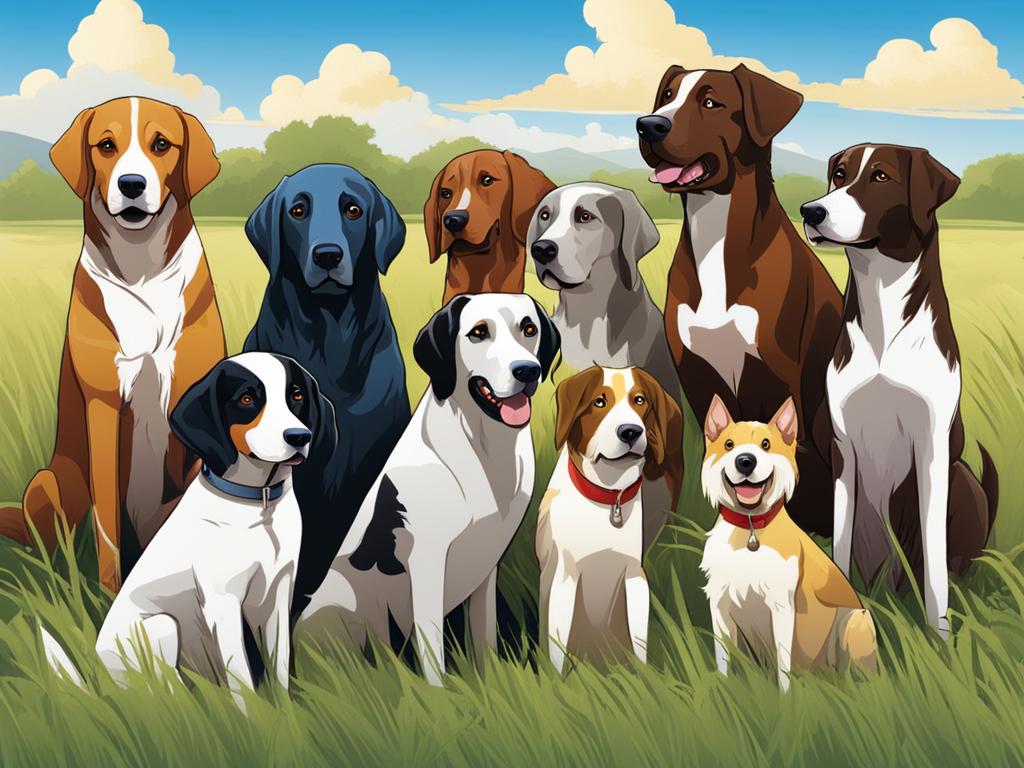
The rich heritage of bird dog breeds underscores their pivotal role as hunting companions and their evolution into beloved family pets. Encompassing a variety of spaniel breeds, pointer breeds, and retriever breeds, these canines bring strength, agility, and an outstanding olfactory sense to the table, or rather, the forest and field. Having originally been bred for the purpose of aiding hunters in retrieving game, these sporting dogs have seamlessly transitioned into the hearts and homes of families far and wide. Breeds like the energetic Brittany spaniel, the hardy Chesapeake Bay retriever, and the amiable Boykin spaniel are a testament to this unparalleled transition, each with a story of origin as distinctive as their characteristics.
From fields to streams, and now to our living rooms, these dogs continue to impress with their keen senses and unwavering loyalty. Not just reserved for hunters, these breeds are now cherished for their companionship, adapting with ease to a variety of lifestyles while still maintaining their primal instincts.
Key Takeaways
- Bird dog breeds have become versatile hunting companions and family pets.
- Spaniel breeds, pointer breeds, and retriever breeds are celebrated for their physical and sensory attributes conducive to hunting.
- The Brittany spaniel, Chesapeake Bay retriever, and Boykin spaniel each have unique histories that have shaped their current roles.
- Despite their transition to family environments, these sporting dogs maintain their natural abilities and instincts.
- Hunting companions like these not only serve in the hunt, but provide immeasurable companionship and adaptability to their human counterparts.
- Understanding the origins and traits of bird dog breeds can help individuals select the right companion for their lifestyle.
The Enduring Popularity and Utility of Bird Dog Breeds
The bird dog popularity extends far beyond the boundaries of the hunting fields. These faithful companions have galvanized a community of enthusiasts who value not only their proficiency in retrieving and pointing game but also their adaptability as family pets. Organizations like the American Kennel Club (AKC) have distinguished these breeds for their hunting dog utility, celebrating their versatility across retriever, pointer, and spaniel categories.
Unfortunately, shifts in modern lifestyles have led many to believe that the days of the hunting dog might be waning. Yet, the truth paints a different picture. The versatile hunting breeds continue to find their station in both competitive spheres and as treasured members of the family. They serve as gentle reminders of the wilderness where they were once sovereign, now offering their skills for contemporary outdoor activities and adventures.
To illustrate the multifaceted roles of these canines, consider the following comparison between three well-known bird dog breeds, showcasing their diverse applications:
| Breed | Hunting Role | Family Integration | Performance Events |
|---|---|---|---|
| Labrador Retriever | Excellent flusher and retriever of game | Highly affectionate, good with children | Agility, dock jumping, obedience |
| English Pointer | Renowned for pointing and locating birds | Alert and energetic, requires engagement | Field trials, show rings, hunting tests |
| Cocker Spaniel | Skilled at flushing game in dense underbrush | Friendly and sociable, adapts well to home life | Spaniel hunting tests, agility, flyball |
In essence, bird dog breeds have secured a place in the hearts of many: from the hunter who depends on the keen instincts of a loyal pointer to the suburban family that cherishes the joyful exuberance of a spaniel. Their enduring popularity is a testament to their versatility, utility, and the unbreakable bond they continue to forge with humans in all walks of life.
Tracing the Origins: History of Best Bird Dogs

The prolific history of bird dogs is steeped in a rich tapestry of stories, spanning continents and epochs. Diving into the heritage of these exceptional breeds unravels tales of origin that not only illuminate their past but also their evolution into the beloved canine friends we know today. Among them, the Brittany Spaniel, Chesapeake Bay Retriever, and Boykin Spaniel each hold a unique place in the pantheon of sporting dogs.
The Brittany Spaniel: From French Provinces to Modern Families
With roots deeply embedded in the heart of French hunting culture, the Brittany Spaniel origin is a testament to its enduring appeal. This vivacious breed found its genesis in the rugged, rural locales of Brittany, France. Renowned for their versatile coats and agile nature, Brittany Spaniels have seamlessly transitioned from the French countryside to becoming amiable and energetic members of families around the world. Their adaptability and affectionate disposition continue to earn them a spot as a favored breed among dog enthusiasts.
Chesapeake Bay Retriever: A Legend Born from the Bay
The Chesapeake Bay Retriever history begins with a remarkable story of two puppies rescued from a shipwreck in Maryland’s Chesapeake Bay. These resilient survivors are the forebears of a breed known for its distinctive thick, water-resistant coat—a feature that is as practical as it is characteristic of the Chessie. Through selective breeding, these dogs were honed into formidable retrievers, adept at braving icy waters and challenging weather conditions to retrieve waterfowl for their human counterparts.
Boykin Spaniels: South Carolina’s Hunting Pride
The Boykin Spaniel background is one imbued with local pride and dedication to hunting excellence. Native to the Palmetto State, the Boykin Spaniel stands as South Carolina’s state dog, a symbol of the state’s deep hunting heritage. Initially bred for turkey and waterfowl hunting, these compact and powerful dogs have gained acclaim for their relentless hunting drive and warm, sociable natures. As with most sporting breeds, Boykin Spaniels thrive on companionship and physical activity, making them both exceptional hunters and loyal family pets.
| Breed | Origin Location | Distinctive Traits | Family Compatibility |
|---|---|---|---|
| Brittany Spaniel | Brittany, France | Colorful coat, playful | High |
| Chesapeake Bay Retriever | Chesapeake Bay, Maryland | Water-resistant coat, resilient | Moderate |
| Boykin Spaniel | South Carolina | Excellent hunter, affectionate | High |
Characteristics of Ideal Hunting Companions
Among the many qualities that make a hunting dog a prized companion, certain characteristics set the best apart. Energy, intelligence, and a specific skill set tailored to hunting needs are paramount. In this regard, three breeds exemplify these traits supremely well: the German Shorthaired Pointer known for its well-rounded capabilities, the Golden Retriever with its phenomenal retrieving talents, and the Nova Scotia Duck Tolling Retriever, renowned for its tireless tenacity.
Energy and Intelligence: The German Shorthaired Pointer
The German Shorthaired Pointer traits of energy and intelligence are legendary amongst hunting dogs. With its lean frame and keen senses, the breed is a versatile hunter, adapting to a variety of terrains and game. Loyal and trainable, German Shorthaired Pointers bring enthusiasm to every hunt.
Golden Retrievers: Versatile and Obedient Hunters
Golden Retriever hunting skills are nothing short of exceptional. As one of the most obedient breeds, they take to training with vigor and tenacity. Their soft mouth grip and love for water make them ideal for retrieving in any condition, whether on land or in water.
The Tenacity of the Nova Scotia Duck Tolling Retriever
The Nova Scotia Duck Tolling Retriever demonstrates a unique form of tenacity. With an unconventional method of attracting waterfowl within range, often described as a dance, this breed’s persistence and enthusiasm make it stand out as a tireless worker on hunting expeditions.
| Breed | Energy Level | Intelligence | Hunting Skill | Temperament |
|---|---|---|---|---|
| German Shorthaired Pointer | High | Intelligent | Ground and water retrieval | Loyal and trainable |
| Golden Retriever | Medium to High | High | Soft-mouthed retrieval | Friendly and obedient |
| Nova Scotia Duck Tolling Retriever | High | Smart | “Tolling” | Energetic and persistent |
A Guide to the Best Bird Dogs for Family Homes
As families consider adopting bird dog breeds, the question of which make for the best family-friendly bird dogs often arises. For those seeking a furry addition to their family, the focus tends to shift towards pet-quality hunting breeds known for their gentle nature and adaptability to home life. In this guide, we’ll explore breeds such as Labrador Retrievers and English Springer Spaniels, renowned for their compatibility with family dynamics.
Labrador Retrievers are a perennial favorite, prominent for their intelligence and kindness. Labs are not only great companions but also excel in families with children due to their patience and playful spirit. Yet, they come with energetic needs and require plenty of exercise to maintain their health and happiness.
Similarly, English Springer Spaniels are beloved for their affectionate and intelligent demeanor. These spaniels thrive when given attention and engage well with kids, making them ideal pets for active households. Their coats, however, do demand a fair amount of grooming to keep them looking their best.
- Labrador Retriever: Known for their friendly disposition and being highly trainable, ideal for busy but loving households.
- English Springer Spaniel: They bring a zest for life to any home and are perfect for those looking for an energetic but affectionate companion.
When selecting a bird dog for your family, it’s essential to match the breed’s exercise requirements and grooming needs with your family’s lifestyle to ensure a harmonious home for everyone.
Each breed has its own unique characteristics that make them suitable for different types of homes. When considering which is right for you, take into account factors such as the size of your living space, the time you can dedicate to pet care, and the age of your children. Adopting a bird dog breed can bring immense joy and companionship to your family if chosen wisely. Ensure that you are prepared for the responsibilities that come with these loving but active breeds.
Health Considerations for Prospective Bird Dog Owners
Choosing a bird dog as a hunting companion or family pet requires an understanding of the specific health concerns associated with these high-energy breeds. Ensuring the well-being of your canine friend involves regular veterinary check-ups and a proactive approach to their unique health needs. Knowledge of bird dog health and breed-specific health issues will equip you to provide the best possible care, maintaining the robustness necessary for both field and home life.
Understanding the Health Risks of Popular Bird Dog Breeds
Each bird dog breed brings a certain proclivity for health issues that owners should be aware of to ensure a thriving life for their pets. Conditions like hip dysplasia, ear infections, and eye disorders are common among many hunting dogs due to their active nature and environments they frequent. In particular, Golden Retrievers may be prone to arthritis and cancer, demanding attention to their breeding history and physical changes as they age.
Preventative Care and Regular Veterinary Visits
The key to managing bird dog health effectively is through preventative measures and consistent veterinary care for hunting dogs. For breeds like the Labrador Retriever, which can be susceptible to weight gain and its associated issues, a balanced diet complemented by ample exercise is crucial. Regular vet visits allow for early detection of potential breed-specific health issues and timely interventions, keeping your bird dog in peak condition for the demands of the hunt or for their role as a cherished family member.
- Annual health checks and vaccinations
- Regular screenings for breed-common conditions
- Consultations for diet and weight management
- Genetic testing where applicable
The Athletic Prowess of Bird Dogs in Field Trials
The world of competitive hunting is a spectacle of speed, agility, and intelligence, where bird dog breeds such as the English Springer Spaniel, Boykin Spaniel, and Brittany showcase their remarkable capabilities. In the arena of bird dog field trials, each breed presents unique competitive traits that not only exemplify their agility and endurance but also their eagerness to work alongside their human counterparts.
From Agility to Endurance: The English Springer Spaniel
Known for their boundless energy and impressive agility, English Springer Spaniels are a force to be reckoned within the field. Their swift movements and keen senses make them ideal for navigating through challenging terrains during trials, reflecting the incredible agility in English Springer Spaniels especially curated for these events.
Competitive Spirit: Boykins and Brittanys in the Field
Boykin and Brittany Spaniels bring a tenacious competitive spirit to field trials, making them formidable competitors. Both breeds display storied histories in bird hunting, where the Boykin Spaniel’s avid retrieval skills and the Brittany’s all-terrain versatility contribute to their popularity among hunting enthusiasts. Let’s delve into a comparison of these agile competitors:
| Breed | Agility | Endurance | Competitive Traits |
|---|---|---|---|
| English Springer Spaniel | High | Moderate to High | Quick, responsive, agile turns |
| Boykin Spaniel | Moderate | High | Strong swimmer, consistent retriever |
| Brittany | High | High | Versatile hunter, excellent scenting ability |
These breeds represent the epitome of athleticism and readiness in the field of bird dog trials. While each breed has its individual strengths, they all share a common thread: the ability to perform exceptionally well under the pressures of competition, solidifying their place in the world of bird dog field trials.
Best Bird Dogs: Breeds with Exceptional Hunting Performance
When evaluating exceptional hunting dogs, aficionados and experts alike look to top-performing bird breeds that exhibit a wide array of qualities tailored to hunting. Among these treasured canines, hunt-specific dog breeds like the German Shorthaired Pointer, Vizsla, and English Springer Spaniel stand out due to their distinct blend of talents, which not only cater to the demands of the hunt but also endear them to their handlers.
- German Shorthaired Pointer: Known for its versatility, this breed’s adeptness at tracking, pointing, and retrieving is unparalleled. It’s a breed that thrives on activity, making it perfect for the rigors of hunting.
- Vizsla: This gentle breed, eager to please, also stands out for its nearly aristocratic grace and excellent field work, attributed primarily to its keen sense of smell and remarkable trainability.
- English Springer Spaniel: With an intelligent and playful nature, this spaniel is a relentless worker whose tracking ability and quick learning curve make it suitable for a variety of hunting situations.
The right choice of a hunting dog can be a rewarding extension of one’s passion for the outdoors and an enduring partnership in the field. Whether it’s the focus of the German Shorthaired Pointer, the affectionate nature of the Vizsla, or the energetic fervor of the English Springer Spaniel, each breed represents a unique amalgamation of the qualities that define exceptional hunting dogs.
Caring for Your Hunting Companion: Tips and Tricks
Caring for hunting dogs entails a commitment to their overall wellbeing, encompassing proper diet, exercise, and grooming. A well-cared-for bird dog is a happy, healthy, and efficient companion both at home and in the field. Tailoring these care routines to meet the specific needs of your sporting breed is key to maintaining their peak performance.
Nutrition and Exercise: Keeping Your Bird Dog in Top Shape
Maintaining optimal bird dog nutrition is essential, as these active canines require a balanced diet that supports their high energy levels and nutritional needs. It’s important to select high-quality dog food that provides a mix of protein, carbohydrates, and fats, along with essential vitamins and minerals. Supplementing their diet with appropriate vitamins or joint support formulas can be beneficial, especially for aging dogs. Similarly, regular exercise tailored to your dog’s breed and energy level not only keeps them fit but also sharpens their hunting instincts.
- Choose dog food with high protein content for muscle repair and energy.
- Ensure access to clean, fresh water at all times.
- Develop a consistent exercise regimen that includes daily walks, runs, or playtime.
Grooming and Maintenance: Ensuring Comfort and Health
Proper grooming and maintenance are particularly vital for sporting breeds that often have dense double coats, like the Chesapeake Bay Retriever. These coats are designed to provide insulation and water repellence, which makes grooming tips for sporting breeds an indispensable part of their care. Regular brushing helps remove dead hair and skin, prevent matting, and distribute natural skin oils across the coat, keeping it healthy and shiny.
- Brush your dog’s coat several times a week to maintain coat health and reduce shedding.
- Check and clean your dog’s ears periodically to prevent infections, especially in breeds with floppy ears.
- Trim nails regularly to avoid discomfort and potential injury.
Investing time in caring for hunting dogs not only ensures their comfort and health but also reinforces the bond between you and your canine companion. With the right approach to nutrition, exercise, and grooming, your bird dog will thrive as a cherished member of your family and as an invaluable partner in the great outdoors.
The Role of Bird Dogs in Search and Rescue Operations

The noble lineage of hunting canines has transcended the fields and forests, venturing into the heroic realm of search and rescue missions. Among these devoted companions, certain breeds have distinguished themselves, merging their hunting heritage with the brave duties of modern-day rescuers. Bird dogs in rescue operations are not an uncommon sight, with skill sets that are diversely adaptable and intrinsically aligned with the demanding tasks of recovery and aid.
Golden Retrievers and Labradors: From Hunters to Heroes
Indeed, Golden Retrievers and Labradors, with their impeccable sense of smell, profound loyalty, and innate desire to please, have made a seamless transition from training hunting dogs to serving valiantly in search and rescue retrievers teams. This transformation has not just been a testament to their capabilities but a redefining of their roles in society.
While these breeds historically excelled in fields, aiding hunters by retrieving game, they now apply those finely tuned instincts to locate and assist people in distress. Their involvement in critical rescue operations during natural disasters, missing person searches, and catastrophe response showcases not only their agility and endurance but also their emotional intelligence and the profound bond they share with humans.
Training Requirements for a Search and Rescue Bird Dog
Embarking on a career in rescue requires an intensive training regimen tailored to harness a bird dog’s inherent attributes. The curriculum generally includes:
- Endurance training to ensure the dog can navigate challenging terrains and sustain prolonged search missions.
- Obedience programs that refine their capacity to follow complex commands amidst distractions.
- Scent discrimination exercises to amplify their natural tracking abilities.
- Socialization activities that allow them to function seamlessly with various emergency response teams and handlers.
- Mock search scenarios that replicate real-world conditions, fostering adaptability and mental acuity.
The intensive preparation underscores not only the physical requirements but also the mental fortitude necessary for a dog to excel in such a demanding environment. Their training ensures that when called upon, these bird dogs are capable and ready to leap into action, embodying the quintessence of their breed’s heritage with undaunted courage and unwavering resolve.
Conclusion
The journey through the world of bird dogs is a tapestry that weaves together loyalty, utility, and companionship. As we’ve seen, from the hardy German Shorthaired Pointer to the amiable Golden Retriever, each breed offers its own unique blend of traits and abilities. But beyond performance in the field, these canines become an integral part of the family, a dual-purpose friend ticking both boxes as hunting lifestyle companions and affectionate pets.
Choosing the Right Breed for Your Hunting Lifestyle
Selecting hunting dogs should never be an impulsive decision. It’s a multifaceted process that goes beyond aesthetics and breed popularity. Prospective owners must assess a breed’s characteristics, contemplate health concerns, and ensure there’s a harmonious fit with their family dynamic. Whether it’s the resilience and versatility of a Brittany, the gentle nature of a Labrador, or the earnest loyalty of a Boykin Spaniel, it’s the alignment of these traits with an individual’s lifestyle that is paramount.
Embracing the Dual Roles: Companions and Partners in the Field
Dual-purpose bird dogs have the exceptional ability to switch roles flawlessly, mastering the balance between an affectionate family member and a skilled partner in hunting ventures. It’s this duality that enriches the lives of those they touch. By nurturing these roles with proper training, care, and love, the bond between a hunter and their dog becomes irreplaceable and steeped in mutual respect and understanding.
FAQ
What Are the Top Bird Dog Breeds for Hunting Companions?
Some of the most esteemed bird dog breeds for hunting companions include spaniel breeds like the English Springer Spaniel and Brittany Spaniel, retriever breeds such as the Labrador Retriever and Golden Retriever, and pointer breeds like the German Shorthaired Pointer and Vizsla. These breeds are known for their strength, speed, intelligence, and keen sense of smell, making them ideal for various hunting situations.
Why Do Bird Dog Breeds Remain Popular?
Bird dog breeds maintain their popularity due to their versatile hunting ability, adaptability to different environments, and their continuity of skilled hunting practices recognized by organizations like the AKC. Despite the shift toward family companionship and performance in competitive events, their innate hunting abilities remain valued for outdoor activities.
What Are Some Historical Facts About Popular Bird Dog Breeds?
The Brittany Spaniel originated from French provinces and is known for its playful nature. The Chesapeake Bay Retriever’s lineage began with two puppies rescued from a shipwreck, leading to a breed celebrated for its thick, water-resistant coat. The Boykin Spaniel, hailing from South Carolina, is esteemed for both its excellent hunting skills and its affectionate temperament.
What Characteristics Should I Look for in an Ideal Hunting Companion?
Ideal characteristics in a hunting companion include high energy, intelligence, and reliability. For instance, the German Shorthaired Pointer is versatile and loyal, the Nova Scotia Duck Tolling Retriever shows remarkable tenacity, and the Golden Retriever is versatile, obedient, and friendly—traits that make them excellent hunting partners.
What Makes a Bird Dog Breed Good for Family Homes?
Bird dog breeds that are great for family homes usually exhibit traits like being lovable, lively, friendly, and intelligent. Labrador Retrievers and English Springer Spaniels are exemplary family-friendly bird dogs that offer both companionship and the capability to participate in active lifestyles.
What Health Considerations Should I Have When Choosing a Bird Dog?
Prospective bird dog owners should be aware of breed-specific health issues such as arthritis, cancer, and weight-related problems. Golden Retrievers, for example, are prone to arthritis and cancer, while Labrador Retrievers are known to have tendencies to overeat. Proactive breeding practices and regular veterinary care are essential for maintaining their health.
How Do Bird Dogs Perform in Field Trials and Competitions?
English Springer Spaniels, Boykin Spaniels, and Brittanys showcase significant athletic ability in field trials, demonstrating agility, endurance, and competitive spirit. They have become favorites among hunting event participants and those involved in competitive canine sports.
What Breeds Exhibit Exceptional Hunting Performance?
Breeds like the German Shorthaired Pointer, Vizsla, and English Springer Spaniel are known for their exceptional hunting performance. These breeds balance tracking abilities with friendly personalities and obedience, making them ideal for a range of hunting scenarios.
What Care Tips Are Essential for Maintaining My Hunting Companion’s Health?
Proper nutrition and exercise are crucial for keeping your hunting companion in peak condition. Grooming and maintenance routines tailored to each breed can prevent issues associated with their coats, such as those of the Chesapeake Bay Retriever, which requires consistent grooming due to its dense, water-repellent coat.
Can Bird Dogs Also Be Trained for Search and Rescue Operations?
Absolutely, breeds like Golden Retrievers and Labrador Retrievers have excelled in search and rescue operations due to their trainable nature, intelligence, and physical strength. Though their transition from hunting to rescue roles requires extensive training and acclimatization to the demands of these activities.
How Do I Choose the Right Bird Dog for My Hunting Lifestyle?
When choosing the right bird dog for your hunting lifestyle, considerations should include the breed’s characteristics, health implications, compatibility with family life, and the owner’s activity level and commitment to training and care. Breeds like the Brittany, Labrador, and Boykin Spaniels offer versatility, transitioning smoothly from companions at home to partners in the field.