
Service dogs play a crucial role in the lives of individuals with disabilities, providing them with the support and assistance they need to navigate their daily lives. These highly trained dogs are not just pets; they are working animals that are trained to perform specific tasks to help their handlers. In this blog post, we will explore the world of service dogs, including their role, training, and certification process. Whether you are considering getting a service dog or already have one, this article will provide you with valuable information and resources to ensure the well-being and success of both you and your furry companion.
Understanding the Role of a Service Dog
A service dog is defined as a dog that is individually trained to perform tasks for a person with a disability. These tasks can include anything from guiding individuals who are blind or visually impaired, alerting individuals who are deaf or hard of hearing to sounds, pulling wheelchairs, retrieving items, providing stability for individuals with mobility issues, and even detecting medical conditions such as seizures or low blood sugar levels.
There are different types of service dogs depending on the specific needs of their handlers. Some common types include guide dogs for individuals with visual impairments, hearing dogs for individuals who are deaf or hard of hearing, mobility assistance dogs for individuals with physical disabilities, and medical alert dogs for individuals with medical conditions.
Service dogs are protected by law in many countries, including the United States under the Americans with Disabilities Act (ADA). This means that service dogs have the right to accompany their handlers in public places such as restaurants, stores, and public transportation. It is important to note that emotional support animals and therapy dogs are not considered service dogs under the ADA and do not have the same legal rights and protections.
Assessing Your Dog’s Suitability for Service Work
Not all dogs are suitable for service work. When considering getting a service dog, it is important to assess your dog’s suitability for the job. Factors to consider include the dog’s health, temperament, and breed. Service dogs need to be in good physical health to perform their tasks effectively and safely. They also need to have a calm and stable temperament, as they will be exposed to various environments and situations.
Working with a professional trainer or organization that specializes in service dog training is highly recommended when assessing your dog’s suitability for service work. These professionals have the knowledge and experience to evaluate your dog’s potential and can provide guidance on whether your dog is a good fit for service work. They can also help you determine the specific tasks that your dog may be suited for based on their breed and temperament.
Training Your Dog for Basic Obedience
Before a dog can be trained for specific service tasks, they need to have a solid foundation in basic obedience. Basic obedience training is essential for service dogs as it provides them with the necessary skills and discipline to perform their tasks effectively and safely.
Some important basic commands that service dogs should learn include sit, stay, down, come, heel, and leave it. These commands are not only useful in everyday situations but also serve as building blocks for more advanced training.
There are various techniques and methods for teaching basic obedience commands, but positive reinforcement training is widely recommended. This involves rewarding the dog with treats, praise, or play whenever they perform the desired behavior. It is important to be consistent and patient during the training process, as it may take time for the dog to fully understand and respond to the commands.
Working with a professional trainer or organization that specializes in service dog training is highly recommended when training your dog for basic obedience. These professionals have the expertise to guide you through the training process and ensure that your dog learns the necessary skills in a positive and effective manner.
Teaching Your Dog Specific Service Tasks
Once your dog has mastered basic obedience commands, you can start teaching them specific service tasks. The specific tasks that a service dog learns will depend on the needs of their handler. Some common tasks include retrieving items, opening doors, turning on lights, alerting to sounds or medical conditions, and providing stability or balance.
When teaching specific tasks, it is important to break them down into smaller steps and use positive reinforcement training techniques. Start by teaching the dog the individual components of the task and gradually build up to the full task. For example, if you are teaching your dog to retrieve items, start by teaching them to pick up an object and hold it in their mouth. Once they have mastered this step, you can then teach them to bring the object to you and release it into your hand.
Working with a professional trainer or organization that specializes in service dog training is highly recommended when teaching your dog specific tasks. These professionals can provide guidance on the most effective training methods for each task and help troubleshoot any challenges that may arise during the training process.
Socializing Your Dog to Public Places
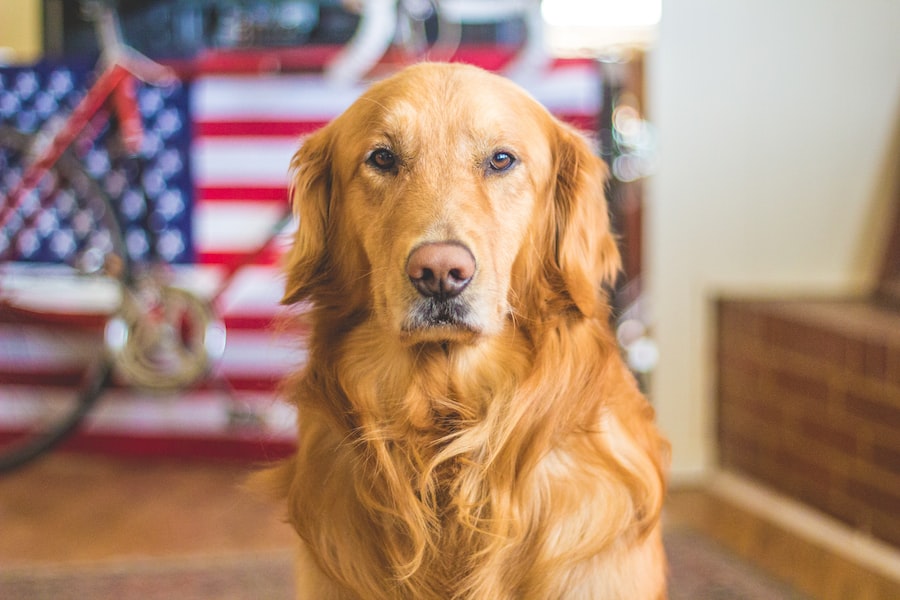
Socialization is a crucial part of service dog training. Service dogs need to be comfortable and well-behaved in various public environments, including crowded places, loud noises, and other distractions. Socialization helps ensure that the dog remains calm and focused on their tasks even in challenging situations.
Start socializing your dog from a young age by exposing them to different environments, people, animals, and situations. Gradually increase the level of difficulty as your dog becomes more comfortable and confident. For example, start by taking your dog to quiet parks or pet-friendly stores and gradually progress to busier places such as shopping malls or restaurants.
During socialization outings, it is important to reinforce good behavior and provide positive experiences for your dog. Reward them with treats, praise, or play when they remain calm and focused on you. It is also important to expose your dog to different types of people, including children, individuals with disabilities, and individuals wearing hats or uniforms, as they may encounter them in public.
Working with a professional trainer or organization that specializes in service dog training is highly recommended when socializing your dog. These professionals can provide guidance on the most effective socialization techniques and help ensure that your dog is well-prepared for public access.
Preparing Your Dog for Public Access Testing
Public access testing is an important step in the certification process for service dogs. It involves evaluating the dog’s behavior and obedience in various public settings to ensure that they are well-behaved and under control at all times.
The specific requirements for public access testing may vary depending on the certification organization, but some common elements include walking on a loose leash, remaining calm and focused in crowded places, ignoring distractions such as food or other animals, and responding to basic obedience commands.
To prepare your dog for public access testing, it is important to practice these skills in different public environments. Gradually increase the level of difficulty as your dog becomes more comfortable and confident. It is also helpful to simulate the testing conditions as closely as possible during training sessions to prepare your dog for the actual test.
Working with a professional trainer or organization that specializes in service dog training is highly recommended when preparing your dog for public access testing. These professionals can provide guidance on the specific requirements of the test and help ensure that your dog is well-prepared for success.
Applying for a Service Dog Certification
Once your dog has completed their training and passed the public access test, you can apply for a service dog certification. The certification process typically involves submitting an application, providing documentation of your disability, and demonstrating that your dog meets the necessary training and behavior standards.
The specific requirements for certification may vary depending on the certification organization, but some common elements include proof of basic obedience training, proof of specific task training, proof of health and vaccination records, and a letter from a healthcare professional stating the need for a service dog.
Working with a professional trainer or organization that specializes in service dog training is highly recommended when applying for certification. These professionals can guide you through the application process, help you gather the necessary documentation, and ensure that your dog meets the required standards.
Understanding Your Rights and Responsibilities as a Service Dog Handler
As a service dog handler, it is important to understand your rights and responsibilities under the law. In many countries, including the United States, service dogs are protected by law and have the right to accompany their handlers in public places. This includes restaurants, stores, hotels, public transportation, and other places of public accommodation.
It is important to note that service dogs are not pets and should not be treated as such. They are working animals that are trained to perform specific tasks for individuals with disabilities. It is important to respect their role and not distract or interfere with them while they are working.
As a service dog handler, it is also your responsibility to ensure that your dog is well-behaved and under control at all times. This includes keeping them on a leash or harness, cleaning up after them, and addressing any behavior issues promptly.
There are resources available to help you learn more about your rights and responsibilities as a service dog handler. The ADA website provides detailed information on the rights of individuals with disabilities and their service dogs. Additionally, there are organizations and advocacy groups that specialize in providing support and education for service dog handlers.
Maintaining Your Dog’s Training and Health
Training is an ongoing process for service dogs. Even after they have completed their initial training and certification, it is important to continue reinforcing their skills and providing opportunities for mental and physical stimulation.
Regular training sessions can help maintain your dog’s obedience and task skills. It is important to practice the commands and tasks regularly to ensure that they remain sharp and reliable. It is also helpful to introduce new challenges and tasks to keep your dog engaged and mentally stimulated.
In addition to training, it is important to prioritize your dog’s health and well-being. This includes regular veterinary check-ups, vaccinations, and preventive care. It is also important to provide them with a balanced diet, regular exercise, and mental stimulation.
Finding Resources and Support for Service Dog Handlers
Being a service dog handler can sometimes be challenging, but there are resources and support available to help you navigate this journey. There are organizations and training programs that specialize in service dog training and can provide guidance and support throughout the process.
Support groups and communities for service dog handlers can also be valuable resources. These groups provide a platform for individuals to connect, share experiences, and seek advice from others who are going through similar experiences. They can also provide emotional support and understanding during challenging times.
When looking for resources and support, it is important to find ones that align with your specific needs and goals. Consider factors such as the type of disability you have, the specific tasks your dog performs, and any additional support or services you may require.
Service dogs play a vital role in the lives of individuals with disabilities, providing them with the support and assistance they need to live independently and confidently. Whether you are considering getting a service dog or already have one, it is important to seek out professional help and support to ensure the well-being and success of both you and your furry companion.
In this blog post, we have explored various aspects of service dog training, including assessing your dog’s suitability for service work, training them for basic obedience and specific tasks, socializing them to public places, preparing them for public access testing, applying for certification, understanding your rights and responsibilities as a handler, maintaining their training and health, finding resources and support, and more.
Remember that every service dog journey is unique, and it is important to tailor your training and support to your specific needs and goals. By seeking out professional help, staying informed, and connecting with others in the service dog community, you can ensure that you and your dog have a successful and fulfilling partnership.
If you’re looking to make your dog a service dog, you may find the article on Mighty Dog Breeds titled “How to Train Your Dog to Be a Service Dog” helpful. This comprehensive guide provides step-by-step instructions on how to train your dog for various service tasks and includes valuable tips and techniques. Whether you’re interested in emotional support, therapy, or assistance dogs, this article covers it all. Check it out here.
FAQs
What is a service dog?
A service dog is a specially trained dog that assists people with disabilities in performing daily tasks and activities.
What are the benefits of having a service dog?
Service dogs can provide a sense of independence, companionship, and assistance with daily tasks for people with disabilities. They can also help with emotional support and provide a sense of security.
What types of disabilities can service dogs assist with?
Service dogs can assist people with a wide range of disabilities, including physical disabilities, hearing impairments, visual impairments, and mental health conditions such as anxiety and PTSD.
Can any dog become a service dog?
Not all dogs are suitable for service dog training. Dogs that are well-behaved, obedient, and have a calm temperament are more likely to succeed in service dog training.
How can I make my dog a service dog?
To make your dog a service dog, you will need to have them trained by a professional service dog trainer. The training process can take several months to a year, and will involve teaching your dog specific tasks and behaviors to assist with your disability.
What tasks can a service dog perform?
Service dogs can perform a wide range of tasks, depending on the needs of their handler. Some common tasks include retrieving items, opening doors, providing balance support, alerting to sounds, and providing emotional support.