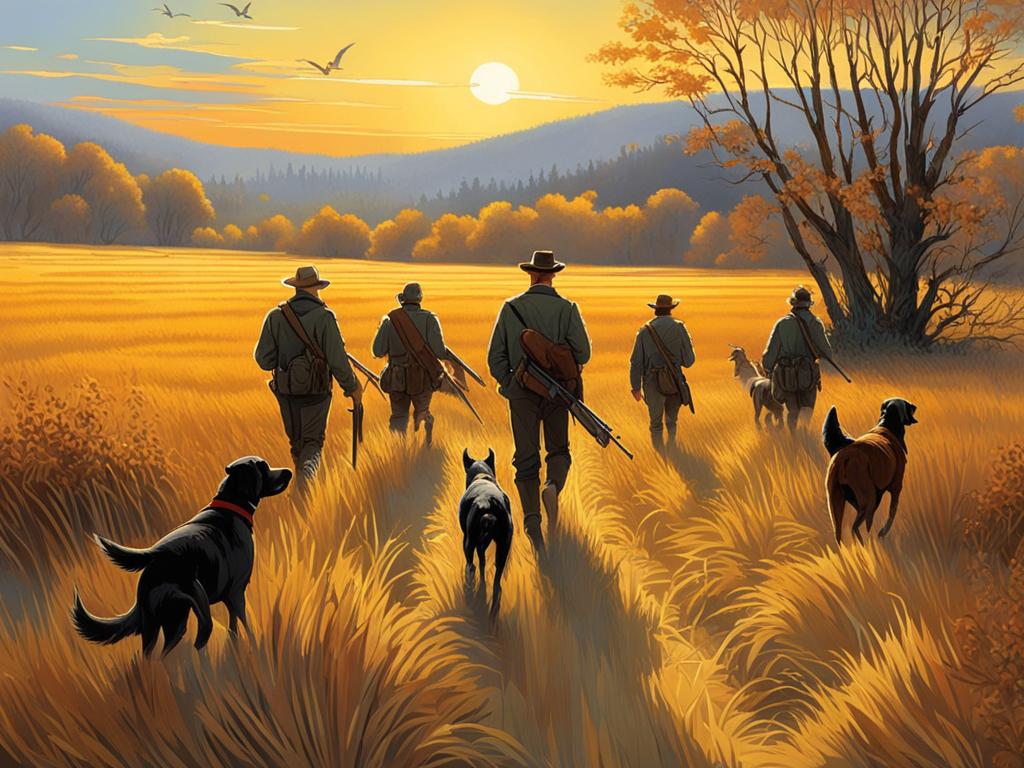
For generations, the hunt for pheasants has painted the countryside with traditions of camaraderie between man and dog. In this storied pursuit, certain canines have set themselves apart as the best pheasant hunting breeds. Like reading a cherished volume from William Harnden Foster, choosing an excellent bird hunting companion is a narrative of passion, heritage, and instinct. Select breeds refine the hunting experience, transforming every expedition into a symphony of whistles, rustling of grasses, and the triumphant cry of a successful flush. We honor these top hunting dogs for pheasants as our steadfast partners in the field, where every step taken together is a page turned in the history of this ancient sport.
Key Takeaways
- The legacy of pheasant hunting is enriched by selecting breeds with a pedigree for success.
- A prime bird hunting companion excels in partnership, bringing joy and efficiency to the hunt.
- Understanding a dog’s traits and your personal hunting style leads to choosing the best pheasant hunting breeds.
- Top hunting dogs for pheasants are esteemed not just for their skill but also for the bond they forge with their human counterparts.
- The essence of pheasant hunting thrives on the timeless connection between hunter and dog.
The Ideal Attributes of Pheasant Hunting Dogs
Seeking the quintessential pheasant hunting dog, one must consider a symbiosis of skill and spirit. These canine companions are not just pets, but pivotal partners in the art of hunting. Below, we delve into the defining attributes that make a dog not only adequate but exemplary in seeking out the elusive pheasant.
Definition of an Ideal Pheasant Dog
An ideal pheasant hunting dog fulfills a dual role—a tenacious tracker in the brush and a steadfast ally by your side. It’s a breed with innate characteristics that harmonize with a hunter’s rhythm: alert, responsive, and eager to engage with the terrain. These dogs are known for their unyielding spirit that finds joy in the hunt, an integral part of the ideal pheasant hunting dog characteristics that are indispensable during hours of rigorous pursuit.
Necessity for Adaptability and Stamina
For a hunting scenario that may vastly differ with each outing, adaptability in hunting dogs is paramount. As the topography shifts from flat grasslands to undulating hills, a dog’s ability to adjust to these changes directly impacts the hunt’s efficacy. True hunting companions boast indefatigable stamina, ensuring that they remain relentless from dawn’s early light to the twilight’s last gleaming, standing beside their human counterpart.
Key Traits for Hunting in Heavy Cover
Thick underbrush and tangled woods set the stage for the ultimate test of perseverance. When pursuing game in such demanding environments, an ideal four-legged hunter must exhibit a steadfast dedication to heavy cover hunting. Agility to weave through obstacles, durability to endure the thorns and brambles, and the alertness to pinpoint and flush out game are the non-negotiable traits that define excellence in this arena.
- Determination to push through dense foliage
- Resilience to track tirelessly for hours
- Intelligence to navigate and solve environmental puzzles
In conclusion, the search for an ideal pheasant hunting canine depends on a blend of joy, efficiency, adaptability, stamina, and an unshakeable will to triumph in heavy cover. These inherited traits, along with the crucial bond they share with their hunter, set the bar for what defines not only an able, but an ideal hunting dog.
Pheasant Hunting Dogs: A History of Excellence
The narrative of pheasant hunting dogs is deeply ingrained within the annals of hunting, featuring breeds that exemplify historical excellence and remain testaments to the enduring passion for the sport. Our canine companions originated in diverse European landscapes, each breed finessed to master the art of the hunt, whether across open fields, under forest canopies, or alongside waterways.
This pursuit of the perfect hunting dog gave rise to legendary bird hunting breeds, each with unique traits honed by breeders with acute awareness of the hunters’ needs. It was this symbiotic relationship between man and dog that spurred the development of breeds like the Deutsch-Kurzhaar, a paragon of versatility and reliability, distributed through an unyielding lineage of dedicated hunters and their companions.
Organizations such as the Deutsch Kurzhaar Verband (DKV) have been pivotal in preserving this lineage of hunting companions, establishing stringent testing and breeding controls that cement the standard for future generations. This level of commitment ensures that each dog not only embodies the hunting prowess of its ancestors but also the spirit of camaraderie that turns a day out in the fields into a time-honored narrative of hunter and hound.
The legacy left by these dogs is not merely a footnote in history, but a chapter that continues to be written with each call of the wild, each rustle of the underbrush, and each bird that takes to the sky. The story of pheasant hunting dogs is an evolving one, where each dog’s individual triumph on the field adds to the grand tapestry of their storied past.
Wirehaired Pointing Griffon: The All-Terrain Expert
When the hunting grounds call for an adept companion capable of tackling the most unwelcoming terrains, the Wirehaired Pointing Griffon rises to the occasion. Esteemed for their prowess in rugged terrain hunting, this breed is renowned for its ability to tackle challenging landscapes with ease. Whether the day’s hunt involves navigating thorny brambles or fording swift streams, the Wirehaired Pointing Griffon is an invaluable partner to hunters around the globe.
Exceptional Skills in Rugged Terrains
The Wirehaired Pointing Griffon is the embodiment of versatility and endurance in the face of rugged terrains. With a coarse, dense coat that offers protection against harsh underbrush and a keen sense of navigation, these dogs possess a natural aptitude for hunting in demanding environments. Agile and steadfast, they maneuver through thickets and over rocky outcrops with the finesse of seasoned adventurers. Hunters frequently share stories of their griffons’ tireless pursuit and exceptional retrieval abilities, even in the most daunting of landscapes.
Building a Strong Hunter-Dog Bond
More than just field specialists, Wirehaired Pointing Griffons are also cherished for the strong hunter-dog bond they naturally form. Known for their jovial and affectionate nature, these dogs thrive on the companionship they share with their humans, enriching the hunting experience with every shared victory and moment of respite. Greg Septon, a passionate hunter, attests to such a bond with his own Griffon, Briar, showcasing a partnership built on mutual respect, trust, and an unyielding spirit for the hunt.
The bond between hunter and griffon is forged through countless hours spent together in the field, the mutual joy of a successful hunt, and the shared quiet moments of admiration for the wilderness. For those who seek not just a hunter, but a devoted companion in their dog, the Wirehaired Pointing Griffon is a breed that gives as much to the heart as it does to the hunt.
German Shorthaired Pointer: The Balanced Performer
The German Shorthaired Pointer stands as the epitome of versatility in the realm of bird hunting dogs. Renowned for its balanced hunting dog qualities, this breed offers a unique blend of athleticism, intelligence, and style, making it the ideal companion for hunters pursuing game with steadfast reliability. Its aptitude for delivering reliable field performance secures it as a favorite among enthusiasts of the sport.
Happy Medium of Hunting Dogs
No other breed captures the middle ground of bird hunting more adeptly than the German Shorthaired Pointer. Its even-tempered nature is matched only by its agility and speed, which is why hunters often find the GSP to be the perfect partner in the field. It melds the strong points of various breeds into one efficient package, thus upholding the title of a truly balanced hunting dog.
‘Turn-Key’ Reliability in the Field
One of the most praised aspects of the German Shorthaired Pointer is its ‘turn-key’ readiness. Once trained, these dogs maintain their sharp skills, even after periods of inactivity. Comparable to a dependable machine at the ready, a GSP can resume its duties with ease, which speaks volumes to its reliable field performance. Hunters appreciate that minimal preparation is required to get their GSP back in optimal hunting form.
| Feature | Benefit | Reliability Factor |
|---|---|---|
| Speed and Range | Covers larger areas efficiently, increasing chances of game contact | High |
| Adaptive Skills | Performs well in various landscapes and weather conditions | Very High |
| Trainability | Responds to commands quickly and maintains skills over time | Excellent |
| Temperament | Even-tempered nature allows for consistent behavior in the field | Trusted |
The inherent qualities of the German Shorthaired Pointer, from its keen instincts to its sociable demeanor, make it the exemplar of a balancing act in hunting dog form. Hunters seeking a reliable, high-performing dog that can transition smoothly between breaks and active hunting seasons will find the GSP a remarkable and rewarding choice.
English Cocker Spaniel: Little Powerhouses of Energy
The English Cocker Spaniel is the embodiment of tenacity and vigor among energetic hunting dogs. Renowned for their lively spirit, these canines are exceptional when in pursuit of game, particularly pheasants. Their small size belies the immense heart and stamina that make this robust spaniel breed favored by hunting enthusiasts like Tom Ness, who recognize their unparalleled zeal in the thickest of covers.
Sprocketing through fields and forests, English Cocker Spaniels exhibit an extraordinary blend of agility and strength. The sight of these dogs bursting through a wall of cattails or navigating brush-choked terrain is nothing short of impressive. Yet, it’s not just their physical prowess that makes the English Cocker Spaniel an excellent hunting companion; it’s also their infectious enthusiasm that motivates and captivates the hearts of hunters.
- Outstanding endurance for lengthy hunting sessions
- Impressive ability to maneuver through heavy cover with ease
- Relentless determination in tracking and flushing game
Unmistakably, the English Cocker Spaniel’s dedication to the hunt suggests that these dogs are nothing short of pint-sized powerhouses capable of delivering a sizable impact on any hunting expedition. Their enduring legacy in the field assures hunters that with an English Cocker Spaniel by their side, size is indeed no measure of might.
The Golden Retriever: A Pheasant Hunter’s Companion
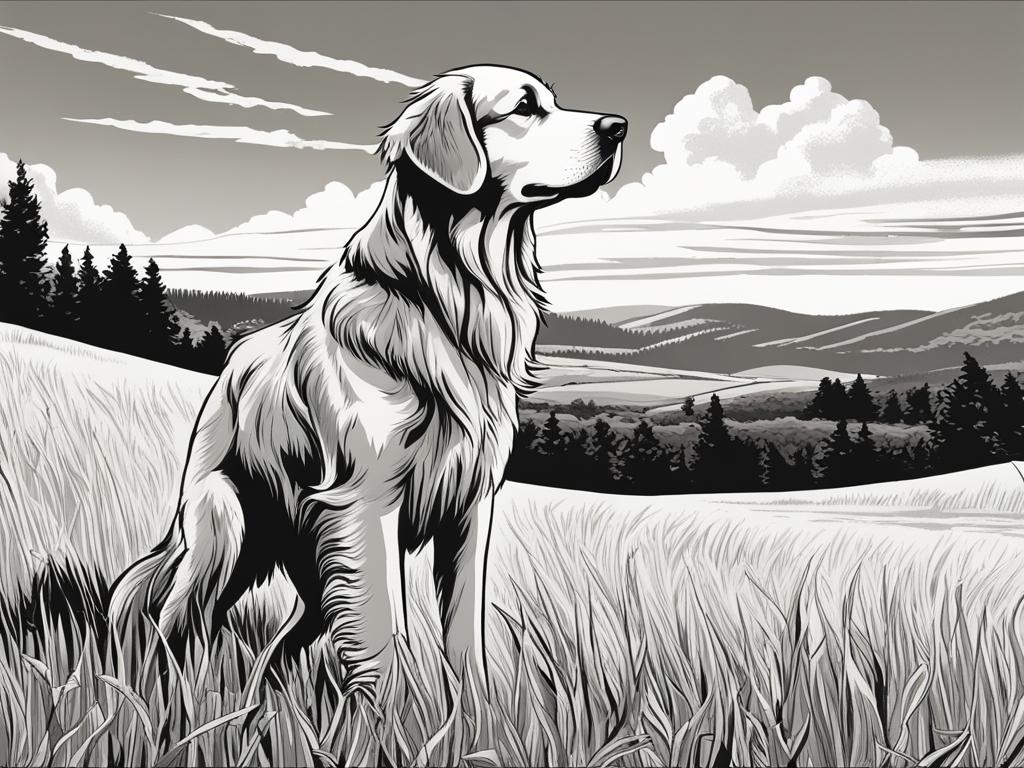
Renowned for their friendly demeanor and striking golden coats, Golden Retrievers are also celebrated in the hunting community for their proficiency in pheasant hunting. Behind their amiable nature lies a rich history of breeding, deeply rooted in upland hunting traditions. This section delves into the qualities that make Golden Retrievers exceptional hunters and the importance of selecting field-proven lineages for the sport.
Natural Upland Skills Honed by Heritage
The Golden Retriever’s ancestry is intertwined with setter and spaniel breeds, which imparts them with instinctual upland hunting skills. They are particularly adept at searching for game in the upland terrain where pheasants thrive. Their soft mouth is perfect for retrieving game without causing damage, and their keen sense of smell and responsive nature make them invaluable in the field. The Golden’s inherent traits are not just by chance—they are the result of generations of selective breeding focused on honing their capabilities in upland hunting environments.
Selecting Field-Proven Lines for Hunting
As the Golden Retriever breed gained popularity, it became important for hunters to discern which bloodlines retain the desired hunting traits. Many Golden Retrievers are bred today for companionship or show, and while they make excellent pets, these lines may not exhibit the strong hunting instincts required for fieldwork. Thus, it’s critical for hunting enthusiasts to seek out field-proven lineage, where the natural upland hunting skills of the breed are not only preserved but also enhanced. Breeders who focus on these lines conduct rigorous testing to ensure each generation can effectively flush and retrieve game, preserving the Golden Retriever’s legacy as a superior pheasant hunter’s companion.
Deutsch Drahthaar and German Wirehaired Pointer: The Bearded Performers
Stepping into the diverse world of bird hunting breeds, the Deutsch Drahthaar and German Wirehaired Pointer stand out for their exceptional hunting prowess. Often adorned with a distinctive ‘beard,’ these breeds have cultivated an outstanding reputation for their tracking accuracy and adept retrieval skills, positioning themselves as leading choices for hunters worldwide.
Meticulous Tracking and Retrieval Abilities
Owing to their meticulous training and natural instincts, Deutsch Drahthaars and German Wirehaired Pointers have developed a faithful following among hunters. Their capabilities are not limited to mere assistance; they are, in many ways, tracking and retrieval experts whose skills are paramount to a hunter’s success. Renowned for their focus and drive, they possess an innate ability to pick up the subtlest of scents, distinguishing game with astonishing precision. This efficiency is further amplified by their tireless work ethic – a trait that merits admiration and a sense of reliability for their human counterparts.
Passion and Partnership in the Hunt
The relationship between a hunter and these bearded athletes is steeped in passion and partnership. The Deutsch Drahthaar and German Wirehaired Pointer do not just follow commands; they anticipate, engage, and revolutionize the hunting experience. Each outing commands a performance that echoes a well-rehearsed pas de deux, with both hunter and dog perfectly in tune with the nuances of the environment and the rhythms of the wild. It is this dynamic of mutual respect and understanding that elevates the act of hunting from a mere pastime to a deeply fulfilling collaboration.
Labrador Retriever: Versatile and Trustworthy
The Labrador Retriever stands as a paragon of versatile hunting dogs, favored for both its adaptability in the field and its steadfast nature as a companion. Renowned for its intelligence and trainability, the Lab executes a wide range of hunting duties with precision, from flushing pheasants to retrieving in the most formidable conditions. These trustworthy canine companions come equipped with resilient, weather-resistant coats, a physical testament to their readiness for diverse environments and climates.
Reflecting on the impressive traits of the Labrador Retriever, one cannot overlook its extraordinary athleticism. Powerful yet graceful, Labs possess an innate ability to traverse varying terrains—from the deceptive heaviness of marshlands to the labyrinth of dense undergrowth—making them an indispensable ally in the sport of hunting.
Steve Smith, a respected authority on outdoor sports, praised the Labrador Retriever’s role in successful hunts:
“When it comes to a reliable pheasant hunt, a good flushing Lab is hard to beat. Its versatility in the field is unrivaled, and its eagerness to please makes it a joy to work with.”
This endorsement only reaffirms the Lab’s ubiquity in the hearts of hunters seeking trustworthy canine companions.
- Eagerness to Please: Making training a rewarding experience.
- Dexterity in Flushing Game: A tireless work ethic when it comes to flushing pheasants.
- Unmatched Loyalty: Lifelong bonds forged with their human counterparts.
The following table captures the essence of the Labrador Retriever’s attributes that substantiate its reputation as a hunter’s confidant:
| Characteristics | Benefits in Hunting | Advantage as a Companion |
|---|---|---|
| Intelligence | Quick adaptation to new commands and scenarios | Easy to engage in stimulating activities |
| Stamina | Endurance for long hunting sessions | Equally energetic in play and work |
| Social Nature | Harmonious work alongside other hunting dogs | Seamless integration into the family |
As we delve into the world of pheasant hunting, it becomes clear that the Labrador Retriever is not merely a breed of convenience, but rather a legacy of trustworthiness and versatility that has stood the test of time.
Brittany: The Spirited and Independent Hunter
Renowned for their vivacity and self-reliance, Brittanies carry a legacy as hunters with indomitable spirits. These gun dogs are celebrated not only for their skill in the field but also for a special kind of partnership they offer to hunters—being both autonomous in their hunting style and affectionate companions at home.
Adaptability in a Variety of Terrains
Brittanies are particularly adept at navigating various hunting landscapes with ease. Whether darting through thick underbrush or sweeping over rolling fields, their adaptability in hunting makes them invaluable to hunters traversing diverse environments. It’s this versatile nature that allows them to switch between different hunting strategies, from a steadfast point to an energetic flush.
Affectionate Nature and Robust Hunting Skills
Their independent spirits never overshadow their desire to be amiable family members. Brittanies are known for their warmth and loyalty, making the transition from a robust hunting partner in the great outdoors to a tender playmate for children at home. Their hunting prowess paired with their loving demeanor makes them a favorite among those who value both traits in their four-legged companions.
- Exceptional trailing and pointing abilities
- Intelligent and easy to train
- Strong desire for human companionship
Charley Waterman once noted, “A Brittany is both a hunter’s dream and a family’s delight, bounding with enthusiasm irrespective of the setting.”
The Brittany’s repute as a premier choice for hunters looking for an all-in-one solution—a dog that embodies the essence of adaptability, independence, and warmth—is well-earned. This breed’s multifaceted nature is the magic that hunters, like Waterman, have celebrated for decades.
Conclusion
In the realm of pheasant hunting, the choice of a canine companion is personal and significant. It requires aligning a breed’s strengths with a hunter’s particular approach, and considering the diverse environments where both will pursue the winged quarry. Whether a seasoned hunter or new to the sport, selecting hunting dog breeds that harmonize with your hunting style can transform challenging excursions into joyful hunting experiences ripe with success.
Choosing the Right Breed for Your Hunting Style
Every hunter has a vision of the perfect day in the field, but realizing that vision starts with choosing a dog whose abilities complement the hunter’s methods. From the staunch pointer to the diligent flusher, the synergistic relationship between hunter and dog cannot be overstated. A point to consider is not just a breed’s reputation, but also its adaptability to your local terrain and typical game. Whether it’s the versatility of a Labrador, the precision of a German Shorthaired Pointer, or the vivacity of a Brittany, the art of selecting hunting dog breeds is pivotal to pursuing pheasants effectively.
The Joy of Hunting with a Reliable Canine Partner
The fulfillment of a hunt is not measured solely by the game bag at day’s end, but also by the companionship shared with a reliable canine sidekick. In the early mornings, with dew still fresh and the promise of flushes to come, it’s the eager panting and tail wagging of a faithful dog that sets the tone for the day. It is in these moments, amidst nature’s beauty and the timeless dance of dog and hunter, that the essence of the sport truly resonates. The culmination of training, patience, and an unspoken bond elevates the act of hunting into an orchestrated partnership that celebrates both the spirit of the hunt and the joyous connection with man’s best friend.
FAQ
What are some of the best pheasant hunting breeds for hunters?
Some highly regarded breeds include the German Shorthaired Pointer for its balance of speed and style, the English Cocker Spaniel for its high energy and robustness in heavy cover, the versatile Labrador Retriever, and the affectionate and skilled Brittany.
What makes a dog ideal for hunting pheasants?
An ideal pheasant hunting dog is one that enjoys working the fields, has excellent flushing and retrieving abilities, shows adaptability and stamina, exhibits determination, and has an innate sense for hunting in heavy cover.
Why is adaptability important in a pheasant hunting dog?
Adaptability is crucial because pheasant hunting often involves diverse terrains and conditions. A dog that can quickly adjust to different environments will be more effective at finding and retrieving game across various landscapes.
What historical significance do pheasant hunting dogs have?
Pheasant hunting dogs have a storied history with a tradition of excellence, honed across generations through selective breeding and ability testing. Breeds like the Deutsch-Kurzhaar have been developed specifically for their hunting prowess.
What are the strengths of a Wirehaired Pointing Griffon in pheasant hunting?
The Wirehaired Pointing Griffon excels in navigating heavy, challenging cover, making them highly competent in rugged terrains. Additionally, their affectionate nature helps strengthen the hunter-pet relationship.
How does the German Shorthaired Pointer serve as a balanced performer in the field?
The German Shorthaired Pointer offers an excellent blend of speed, range, style, and reliability, making it a well-rounded choice for hunters who need a dog that performs consistently in various conditions.
What attributes make the English Cocker Spaniel a dynamic hunting breed?
Despite its small size, the English Cocker Spaniel has immense energy and drive, with powerful hunting skills that allow it to perform exceptionally well in heavy cover, making it a little powerhouse in the field.
Why is selecting field-proven lines important when choosing a Golden Retriever for hunting?
Field-proven bloodlines are vital in ensuring that the innate hunting traits and abilities of the Golden Retriever are present and have not been diluted through breeding for show or companion purposes.
Can you describe the tracking and retrieval skills of Deutsch Drahthaars and German Wirehaired Pointers?
The Deutsch Drahthaar and the German Wirehaired Pointer are known for their meticulous tracking abilities and their consistent success in locating and retrieving birds, even in challenging conditions.
What makes the Labrador Retriever a versatile and trustworthy hunting dog?
The Labrador Retriever’s intelligence, trainability, eagerness to please, and ability to adapt to various hunting scenarios make it an incredibly versatile and dependable companion in the field.
How do Brittany dogs approach pheasant hunting differently from other breeds?
Brittany dogs often employ a unique mix of trailing, pointing, and flushing when hunting, showcasing their independent spirit and adaptability to different terrains while maintaining robust hunting skills.
How should a hunter go about choosing the right breed for their hunting style?
Hunters should consider their own hunting style, the typical terrain they hunt in, and what they are looking for in a canine companion. It’s important to match these factors with a breed that has the compatible traits and abilities.
What adds to the joy of hunting with a canine partner?
Beyond the success in the field, the companionship, the shared experiences, and the deep bond that develops with a reliable canine partner greatly enhance the joy of hunting.