
Hunting dogs have been used for centuries to assist hunters in tracking, flushing, and retrieving game. These dogs possess unique characteristics that make them well-suited for the task at hand. They have a keen sense of smell, excellent stamina, and a strong desire to please their owners. In this article, we will explore the top five hunting dog breeds and delve into their physical and behavioral traits, as well as their history and purpose.
The Top 5 Hunting Dog Breeds: An Overview
1. Labrador Retriever: The Labrador Retriever is one of the most popular hunting dog breeds due to its versatility and intelligence. They are known for their excellent retrieving skills and are often used in waterfowl hunting. Labradors have a strong desire to please their owners, making them highly trainable. They are also known for their friendly and outgoing nature, making them great family pets as well.
2. German Shorthaired Pointer: The German Shorthaired Pointer is a versatile hunting dog breed that excels in both upland game and waterfowl hunting. They have a keen sense of smell and are known for their endurance and agility. German Shorthaired Pointers are highly intelligent and require mental stimulation to prevent boredom. They are also known for their loyalty and make excellent companions.
3. Beagle: The Beagle is a small game specialist that is known for its exceptional scenting abilities. They are often used in rabbit hunting due to their keen sense of smell and ability to track scents on the ground. Beagles are friendly and sociable dogs that get along well with children and other pets. They require regular exercise to prevent obesity, as they have a tendency to overeat.
4. Bloodhound: The Bloodhound is a tracking expert that is known for its incredible sense of smell. They have been used for centuries in tracking down criminals and lost individuals. Bloodhounds have a calm and gentle temperament, making them great family pets. However, they require consistent training and socialization from an early age to prevent stubbornness.
5. English Springer Spaniel: The English Springer Spaniel is an upland game hunter that is known for its ability to flush out birds. They have a strong prey drive and are highly energetic dogs. English Springer Spaniels are intelligent and eager to please, making them easy to train. They are also known for their friendly and affectionate nature, making them great family pets.
Labrador Retriever: The All-Around Hunting Companion
Labrador Retrievers are highly versatile hunting dogs that excel in various types of hunting, including waterfowl, upland game, and retrieving. They have a strong desire to please their owners and are highly trainable. Labradors have a keen sense of smell and excellent stamina, making them well-suited for long days in the field.
When training a Labrador Retriever for hunting, it is important to start at a young age and use positive reinforcement techniques. They respond well to praise and rewards, so be sure to provide plenty of treats and verbal praise when they perform well. It is also important to expose them to different environments and situations to build their confidence and adaptability.
Labradors require regular exercise to keep them physically and mentally stimulated. They enjoy activities such as swimming, retrieving, and running. It is also important to provide them with mental stimulation through puzzle toys or training sessions. Labradors are prone to obesity, so it is important to monitor their diet and provide them with a balanced diet.
German Shorthaired Pointer: The Versatile Hunter
German Shorthaired Pointers are highly versatile hunting dogs that excel in both upland game and waterfowl hunting. They have a keen sense of smell and excellent endurance, making them well-suited for long days in the field. German Shorthaired Pointers are highly intelligent and require mental stimulation to prevent boredom.
When training a German Shorthaired Pointer for hunting, it is important to start at a young age and use positive reinforcement techniques. They respond well to praise and rewards, so be sure to provide plenty of treats and verbal praise when they perform well. It is also important to expose them to different environments and situations to build their confidence and adaptability.
German Shorthaired Pointers require regular exercise to keep them physically and mentally stimulated. They enjoy activities such as running, swimming, and retrieving. It is also important to provide them with mental stimulation through puzzle toys or training sessions. German Shorthaired Pointers are prone to separation anxiety, so it is important to provide them with plenty of mental and physical exercise.
Beagle: The Small Game Specialist
Beagles are small game specialists that are known for their exceptional scenting abilities. They are often used in rabbit hunting due to their keen sense of smell and ability to track scents on the ground. Beagles are friendly and sociable dogs that get along well with children and other pets.
When training a Beagle for hunting, it is important to start at a young age and use positive reinforcement techniques. They respond well to praise and rewards, so be sure to provide plenty of treats and verbal praise when they perform well. It is also important to expose them to different environments and situations to build their confidence and adaptability.
Beagles require regular exercise to keep them physically and mentally stimulated. They enjoy activities such as sniffing, tracking, and running. It is also important to provide them with mental stimulation through puzzle toys or training sessions. Beagles have a tendency to overeat, so it is important to monitor their diet and provide them with a balanced diet.
Bloodhound: The Tracking Expert
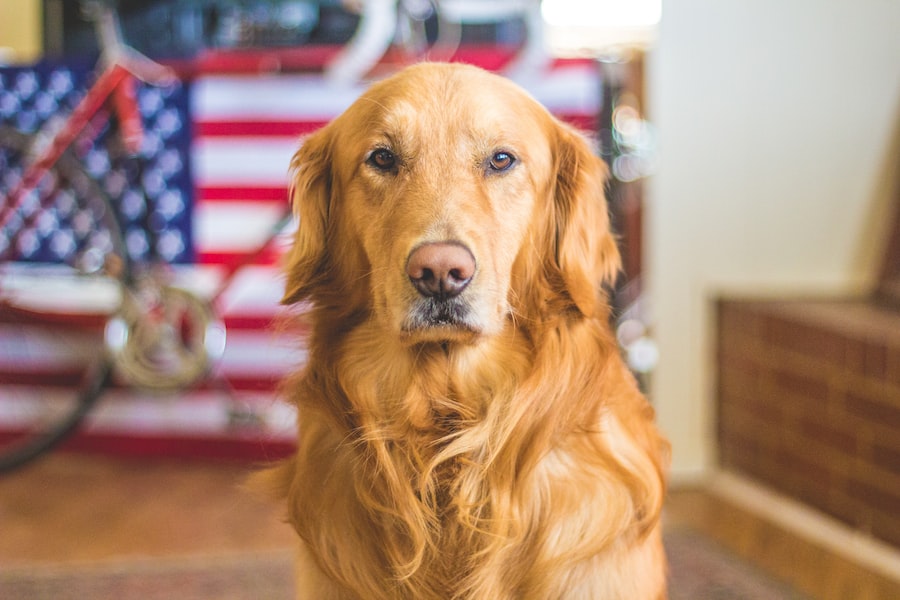
Bloodhounds are tracking experts that are known for their incredible sense of smell. They have been used for centuries in tracking down criminals and lost individuals. Bloodhounds have a calm and gentle temperament, making them great family pets. However, they require consistent training and socialization from an early age to prevent stubbornness.
When training a Bloodhound for tracking, it is important to start at a young age and use positive reinforcement techniques. They respond well to praise and rewards, so be sure to provide plenty of treats and verbal praise when they perform well. It is also important to expose them to different environments and situations to build their confidence and adaptability.
Bloodhounds require regular exercise to keep them physically and mentally stimulated. They enjoy activities such as tracking, scent work, and sniffing. It is also important to provide them with mental stimulation through puzzle toys or training sessions. Bloodhounds are prone to obesity, so it is important to monitor their diet and provide them with a balanced diet.
English Springer Spaniel: The Upland Game Hunter
English Springer Spaniels are upland game hunters that are known for their ability to flush out birds. They have a strong prey drive and are highly energetic dogs. English Springer Spaniels are intelligent and eager to please, making them easy to train. They are also known for their friendly and affectionate nature, making them great family pets.
When training an English Springer Spaniel for hunting, it is important to start at a young age and use positive reinforcement techniques. They respond well to praise and rewards, so be sure to provide plenty of treats and verbal praise when they perform well. It is also important to expose them to different environments and situations to build their confidence and adaptability.
English Springer Spaniels require regular exercise to keep them physically and mentally stimulated. They enjoy activities such as retrieving, running, and swimming. It is also important to provide them with mental stimulation through puzzle toys or training sessions. English Springer Spaniels are prone to separation anxiety, so it is important to provide them with plenty of mental and physical exercise.
Choosing the Right Hunting Dog for Your Needs and Preferences
When choosing a hunting dog, there are several factors to consider. First and foremost, you should consider the type of hunting you will be doing. Different breeds excel in different types of hunting, so it is important to choose a breed that matches your hunting style and preferences.
You should also consider the size and energy level of the breed. Some hunting dogs are larger and more energetic, while others are smaller and more laid-back. It is important to choose a breed that fits well with your lifestyle and living situation.
Additionally, you should consider the temperament and trainability of the breed. Some hunting dogs are more independent and stubborn, while others are highly trainable and eager to please. It is important to choose a breed that matches your training style and experience level.
Training and Caring for Your Hunting Dog: Tips and Best Practices
When training your hunting dog, it is important to start at a young age and use positive reinforcement techniques. This involves rewarding your dog with treats, praise, and play when they perform well. It is also important to be consistent with your training and provide clear cues and commands.
In addition to training, it is important to provide regular exercise for your hunting dog. This helps keep them physically fit and mentally stimulated. Activities such as running, swimming, retrieving, and tracking are all great ways to exercise your dog.
It is also important to provide proper care for your hunting dog’s health and well-being. This includes regular veterinary check-ups, vaccinations, and preventative care such as flea and tick prevention. It is also important to provide a balanced diet that meets your dog’s nutritional needs.
Finding Your Perfect Hunting Companion
In conclusion, hunting dogs are unique and specialized breeds that possess the skills and traits necessary for successful hunting. The Labrador Retriever, German Shorthaired Pointer, Beagle, Bloodhound, and English Springer Spaniel are all excellent choices for hunting companions, each with their own unique abilities and characteristics.
When choosing a hunting dog, it is important to consider your hunting style and preferences, as well as the size, energy level, temperament, and trainability of the breed. It is also important to provide proper training and care for your hunting dog to ensure their success in the field.
With the right training and care, your hunting dog can become your perfect companion and help you achieve success in your hunting endeavors. So take the time to research and choose the breed that best suits your needs and preferences, and enjoy the rewarding experience of hunting with a well-trained and well-cared-for hunting dog.
If you’re looking for the best dog for hunting, you’ll want to check out this informative article on Mighty Dog Breeds. They have a comprehensive list of hunting dog breeds that are perfect for various types of hunting, including bird hunting and pheasant hunting. Whether you’re a seasoned hunter or just starting out, this article will help you choose the right breed to accompany you on your hunting adventures. Don’t miss out on this valuable resource – click here to read the article now!
FAQs
What is the best dog breed for hunting?
There is no one-size-fits-all answer to this question as the best dog breed for hunting depends on the type of game being hunted and the hunting style of the owner. Some popular hunting dog breeds include Labrador Retriever, German Shorthaired Pointer, Beagle, and English Springer Spaniel.
What qualities should a hunting dog possess?
A good hunting dog should possess qualities such as a strong sense of smell, good eyesight, high energy levels, obedience, and the ability to work well with their owner. They should also be able to withstand harsh weather conditions and have a good temperament.
What are the different types of hunting dogs?
There are several types of hunting dogs, including retrievers, pointers, hounds, and spaniels. Retrievers are used to retrieve game, pointers are used to locate game, hounds are used to track game, and spaniels are used to flush out game.
Can any dog be trained for hunting?
While any dog can be trained for hunting, some breeds are better suited for it than others. It is important to choose a dog breed that has been specifically bred for hunting and has the necessary qualities for the type of game being hunted.
What is the training process for a hunting dog?
The training process for a hunting dog involves teaching them basic obedience commands, socializing them with other dogs and people, and introducing them to the hunting environment. They are then trained to perform specific tasks such as retrieving, pointing, or tracking game. The training process can take several months to a year or more.