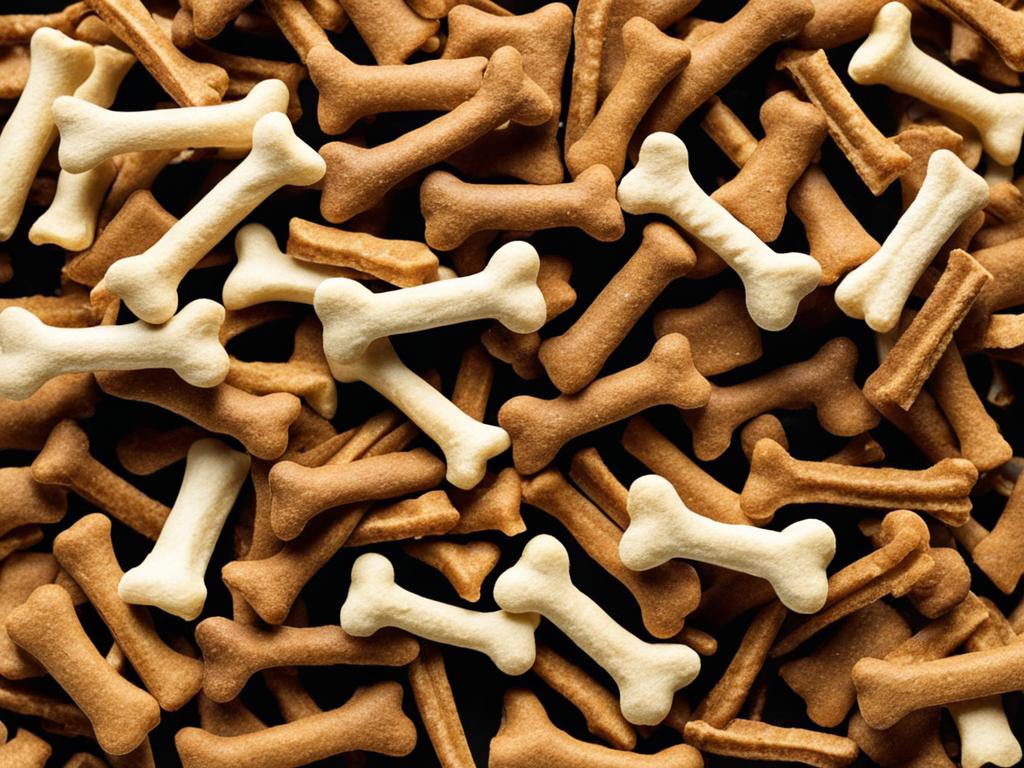
Hey there, pet lovers! Ever encountered the chewy conundrum that is rawhide? It’s the mystery guest at doggie playdates and the silent topic of conversation at the dog park. You’ve likely tossed one of these dog treats to your four-legged pal, watching them go to town with a vigor reserved for postman chases and park frolics. It’s time to pull back the curtain on the unraveling rawhide mystery, as we embark on a journey to understand: what is rawhide really? Is it the ultimate treat for your toothsome companion or something that needs a closer inspection before joining the pantheon of playthings? Strap in – you’re about to become a rawhide whiz.
Key Takeaways
- Demystifying rawhide, unlocking the tales behind these popular dog treats.
- Discover the chewy facts and fiction, answering the burning question: what is rawhide?
- Rawhide’s role in meeting your pooch’s gnawing needs, understanding benefits and risks.
- Helpful hints to ensure your dog’s rawhide experience is both safe and satisfying.
- Get ready to wag tails and perk ears with insights into the chewy conundrum of rawhide.
What is Rawhide: Decoding Your Dog’s Favorite Treat
Ever wonder how that rawhide treat gets those tails wagging? Let’s chew over the facts and peel back the layers to uncover the mystery. From its humble beginnings to the finished product that sends canines into frenzies, your pup’s beloved chew has a tale that’s quite the mouthful.
The Origin of Rawhide Chews
Embarking on the journey of rawhide origin, it’s like stepping back into a time when nothing was wasted. Rawhide chews start as a by-product of the meat industry, harvested from the inner layer of cow or horse hides—it’s recycling, canine-style. Who would have thought that something so simple could make your dog go completely mutts?
Rawhide: From Hide to Chew
The transformation from a hide to your dog’s favorite treat is a meticulous art that involves a series of processes. First, the hide is cleaned to remove any remaining meat and fat; then it’s split to size before getting a tan, not unlike how you prep for beach season. Finally, it’s shaped into various sizes that range from tiny twigs for the Chihuahua in your life to colossal logs for the Mastiff next door.
Understanding the Manufacturing Process
Delving deeper into rawhide manufacturing, this chew is no quick bake in the oven—it’s an elaborate dance of steps where each one is crucial. The removal of hair and fat is just the opening act. What follows might include a tanning process, sometimes with chemicals that keep the rawhide shelf-stable. Just how grandma keeps her fruitcake fresh all year, but thankfully, a lot more appetizing—at least if you’re a dog.
And there you have it—the tail of how rawhide chews are born. Remember, next time your furry friend is drooling over their go-to gnaw, there’s a history and process as rich as their blissful chewing experience.
The Truth Behind Rawhide: Benefits and Concerns
So, you’re considering a rawhide chew for your furry friend? Let’s chew on the facts. Rawhide benefits are like a double-edged sword. On the one hand, they can be great for your pup’s dental hygiene, reducing plaque and tartar while keeping your dog entertained for what seems like eons. On the other hand, rawhide concerns may give you pause—like the potential for choking and the dreaded blockages in your dog’s digestive tract. Plus, the phantom of harmful chemicals lurking in the production process sure doesn’t help.
Dog chew safety is paramount. So, let’s break it down into bite-size pieces and look at the pros and cons through a clever table that’s designed to help you weigh each aspect. It’s your guide in making a gnawing decision—whether to let rawhide into your dog’s life.
| Benefits of Rawhide | Concerns About Rawhide |
|---|---|
| Entertains dogs for hours, preventing boredom | Potential choking hazard, especially for aggressive chewers |
| Helps in reducing plaque and tartar buildup | Risk of intestinal blockages from swallowed pieces |
| Can satisfy a dog’s natural urge to chew | Possible exposure to chemicals from the production process |
| Sometimes aids in teething comfort for puppies | Varying digestibility; not all dogs can stomach it well |
No bones about it, whether you toss a rawhide your dog’s way or opt for another chewable delight, it’s all about making an informed choice. Don’t just paws and reflect, keep digging until you’re confident that what you’re giving your pooch is both scrumptious and safe!
Selection Tips: Choosing Safe Rawhide for Your Pooch
Let’s face it, you want only the best for your four-legged friend, especially when it comes to treats. But with aisles packed with choices, selecting safe rawhide is akin to finding a needle in a haystack. Fear not, as we delve into assessing chew quality and deciphering the cryptic hieroglyphs that are pet product labels.
Before you buy, ever asked yourself why understanding pet product labels matters? Well, here’s the chewy truth: labels can be your treasure map to avoiding the junk and tracking down the good stuff.
Assessing Quality and Safety
You’ve got your detective hat on, and you’re ready to assess. What’s the scoop on chew quality? It’s simple: country of origin, manufacturing processes, and a big no to harmful chemical additives. Trust us, your pup’s tail will wag at the promise of safe gnawing. Now, let’s zero in on the details:
- Look for chews made in countries with stringent safety regulations – they don’t mess around when it comes to your pet’s safety.
- Manufacturing processes should be more transparent than your grandmother’s crystal. If they’re hiding the how-to, you might want to hide your wallet.
- Artificial flavors and preservatives? Nope. Your pooch’s palate is too refined for that nonsense.
Assessing chew quality isn’t rocket science, it’s simple observation – you’ve got this!
Deciphering Labels and Marketing Claims
Ominous ingredients that sound like wizard spells? Claims that their chews are the doggy equivalent of a unicorn? Let’s not get swayed by marketing fluff. Understanding pet product labels takes a keen eye and a dose of healthy skepticism:
- Start with the ingredient list. If it reads like a novel, something’s fishy – probably not in a good way.
- Seek out certifications of quality – it’s like a thumbs up from the people in the know.
- Watch out for vague terms like ‘natural’. Unless they clarify what it means, it’s as useful as a glass hammer.
Stick with your gut, and if the label’s not up to snuff, neither is the chew. Remember, in the wild world of rawhide, your wisdom is your hound’s shield.
Rawhide and Digestion: A Veterinarian’s Perspective
Ever found yourself wondering if that piece of rawhide is really the treat your dog’s tummy is yearning for? Well, you’re not alone. Veterinarian advice is often sought by pet owners who are curious about rawhide digestion and its implications. Indeed, while opinions vary, the consensus suggests that monitoring your furry friend’s response to this chewy conundrum is absolutely key.
Some dogs might treat rawhide like a gastronomic delight, breaking it down with the voracity and efficiency of a mini waste disposal unit. For others, these chews could become the bane of their digestive existence, resulting in upset stomachs or, more worryingly, blockages that prompt an emergency vet visit.
As one vet put it, “Chew digestibility can be quite a dicey affair; it’s essential to observe and understand your dog’s chewing behaviors and digestive reactions.”
Now, before you start playing gastrointestinal roulette, take a breath. Your powers of observation, coupled with professional guidance, can turn the tide in your favor. Has Fido been good at breaking down his food? Does he chew with the finesse of a wine connoisseur savoring a fine vintage? These are the kinds of questions you’ll need to chew over.
- Keep an eye out for any signs of discomfort or changes in stool—yes, it’s detective time!
- Pay a visit to your friendly neighborhood vet, and don’t be shy about discussing Fido’s chewing habits and rawhide digestibility.
- Consider the quality of the rawhide you’re buying. Better quality often translates to easier digestion.
Remember, when it comes to your pup’s tummy, there’s no such thing as being too cautious. With the right approach and veterinarian advice, rawhide can be a chewable joy rather than a digestible dilemma.
Rawhide: Unearthing the Best Brands for Your Dog
So, you’re on the hunt for the crème de la crème of rawhide for your furry best friend. It’s like choosing a fine wine—complexity, source, and reputation matter. The best rawhide brands aren’t just a claim on a shiny package; they’re a promise of quality dog chews you can trust. Paws for a moment and consider this your guide to discovering those stellar brands.
Reviewing Top Rawhide Brands
You don’t need a magnifying glass to see which brands lead the pack. What you need is a discerning eye for quality—yes, you’re practically the Sherlock Holmes of rawhide. Here, take a peek at some of the champions in the chewing ring:
- Purina – A household name for a reason, they offer a variety of rawhide treats that turn tails into wagging speedometers.
- PetSafe – Known for their pet toys and accessories, their rawhide chews are like the secret treasure your dog’s been sniffing for.
- Castor & Pollux – Their commitment to natural ingredients puts their rawhide treats on the map of mouthwatering canine delights.
Ingredients and Sourcing: What to Look For
It’s a jungle out there when it comes to rawhide ingredients sourcing. You want a brand that not only says they’re the best but backs it up with transparent trail from pasture to pouch. Here’s the bark-down on responsible sourcing:
Go where the ingredients tell a tale of ethical sourcing, where every bite your dog takes is a step towards a happier planet.
Comparing Price vs. Quality
Now, let’s chew over price versus quality. The old saying “you get what you pay for” is up for debate in the dog chew domain. Here’s a little nibble of wisdom for you:
- More expensive doesn’t always mean better. It’s about finding that sweet spot where price meets the pinnacle of quality dog chews.
- Look for brands that are forthright about their ingredients—those are the real MVPs.
- Dig into those reviews like your pup digs for hidden treats in the backyard. They’re a goldmine of truth.
In your journey to the best rawhide brands, keep these nuggets of knowledge tucked in your treat pouch. Remember, it’s about making your pooch’s tail-wagging dreams comeTrue without compromising on health and happiness. Sniff out those quality chews, savvy pet parent!
How to Properly Introduce Rawhide to Your Dog’s Diet
Introducing rawhide to your four-legged friend’s menu? Let’s chew over the process of chew acclimation. It’s more than just tossing a strip of leather and hoping for tail-wags. Think of it as a well-orchestrated dinner dance, ensuring each step is followed with care so your pooch can enjoy their new rawhide without a hiccup.
Start by selecting a high-quality rawhide that matches your canine’s size and gnawing gusto. Like matching a fine wine to a sumptuous meal, choosing the perfect rawhide is essential for a harmonious dog diet integration. And remember, patience is a virtue – not just a saying, but a crucial ingredient to success here.
- Step 1: Offer small pieces of rawhide to gauge your dog’s interest and digestive response.
- Step 2: Monitor closely during chew sessions to avert any attempts of swallowing big chunks – because who really wants the dog equivalent of ‘bite off more than you can chew’?
- Step 3: Gradually build up the chewing time as your dog becomes more comfortable and evidently joyful with their new activity.
If you’re expecting a cue for a rousing “Chew-hoo!” from your pup, keep in mind that dogs have their distinct tastes, too. Observation is key in the delicate dance of introducing rawhide, as every furball is a critic in their own right. With a watchful eye and a tiered approach, you and your trusted tail-wagger will be in for a treat – rawhide’s entry into their world will be as smooth as their most graceful fetch!
Allergic Reactions and Rawhide: Identifying the Signs
When you toss your pup a piece of rawhide, you’re expecting hours of chewing joy, not a wagging tail of woes. But hey, allergic reactions to rawhide can gatecrash the party. Not to scare you, but rawhide allergic reactions may pop up as uninvited guests. Let’s be real: while rawhide allergies are rarer than a steak at a vegetarian banquet, it’s your job as a pet parent to keep an eye out for any dog allergy symptoms. After all, your furry friend can’t exactly give you a Yelp review on their chew.
Common Symptoms of Allergies in Dogs
Paws and reflect if you notice your canine companion scratching like they’re trying to dig to China or if their skin is more swollen than a balloon at a birthday bash. Or maybe their stomach is in knots, and they’ve got more digestive drama than a reality TV show. These can all be signs that your dog’s system has put up the no-vacancy sign for rawhide.
When to Consult Your Vet
Spot something odd? Like your pooch’s demeanor changing quicker than a chameleon on a disco ball? You guessed it—it’s time to ring up your vet. Put that vetinary consultation at the top of your to-do list, higher than binge-watching that show everyone’s talking about. Because honestly, when it comes to health hiccups, better safe than sorry is the anthem to hum.
| Symptom | Description | Action |
|---|---|---|
| Itching | Constant scratching, licking, or biting skin | Monitor and remove rawhide chew |
| Swelling | Noticeable puffiness on the skin, especially around the face or neck | Discontinue rawhide and consult your veterinarian |
| Digestive Distress | Vomiting, diarrhea, or loss of appetite | Seek veterinary advice, especially if symptoms persist |
Rawhide Alternatives: Exploring Healthier Options
Fret not, devoted dog parents! As you hunt for rawhide alternatives, let’s chew over some healthier, more digestible goodies that are sure to make your pup’s tail wag with joy. Not only are these options packed with flavor, but they’re also waving the flag for eco-friendly pet products. Let’s dig into the belly of the beast and uncover these scrumptious swaps!
Natural Chews and Eco-Friendly Choices
First off, welcome to the green side! When we talk about natural chews, we’re buzzing about wholesome treats made from delectable veggies or humane, sustainably-sourced meats. These munchable marvels stand out not only for their nutritional profile but also for their kindness to Mother Earth. Here’s the scoop: they’re often biodegradable, leaving behind paw prints but not carbon footprints.
Edible Treats vs. Long-lasting Chews
So you’re weighing the options: quick snacks or enduring nibbles? Edible treats are your go-to for rewarding good behavior with instant gratification, but they vanish faster than a dog’s desire to play fetch. Enter the arena, long-lasting chews, the superheroes of the chew world. These tough contenders are in it for the long haul, promising hours of gnawing and keeping those doggy dentals in tip-top shape. It’s a battle of duration vs. devour, and you get to referee!
| Chew Type | Duration | Pros | Cons |
|---|---|---|---|
| Edible Treats | Short | Great for training, quick satisfaction, variety of flavors | Can be consumed quickly, less beneficial for dental health |
| Long-lasting Chews | Long | Promote oral health, extended entertainment, satisfies chewers | Requires supervision, potentially more expensive |
Whether you pivot towards the rapid reward route or elect the endurance experience, each chew has its chew-nique place in your furball’s heart (and tummy!). Just remember, regardless of the path you pick in this savory selection of healthier dog chews, always keep an eye on your four-legged friend to make sure they’re safe and savoring every bite.
Do-It-Yourself Dog Treats: Making Rawhide at Home
Hey there, pet parents! Wave goodbye to the perplexities of store-bought chews and say hello to the delightful world of DIY dog treats. Crafting homemade rawhide is not just a creative expedition but a leap towards safer, purer snacking for your tail-wagger. Diving into do-it-yourself mode allows you to tailor ingredients to your dog’s taste and health needs, sidestepping those niggling preservatives. Let’s chew over the step-by-step process to whip up some safe pet snacks right in your kitchen.
Creating homemade rawhide begins with selecting the right ingredients. Seek out high-quality, lean meats and organic items to ensure your four-legged friend is only gnawing on the good stuff. Don’t forget, keeping it simple is the key— less is more when it comes to concocting these carnivorous delights.
- Start with thin slices of beef or a different lean protein.
- Marinate, if desired, with dog-friendly spices (think turmeric or parsley).
- Lay them flat on a baking sheet lined with parchment paper.
- Dehydrate in your oven on its lowest setting or use a dehydrator if you have one.
Patience, pawrents! The dehydration game is a slow one, so while you await the transformation from meaty strips to chewy bliss, ponder this – your homemade prize is free from the chemical concoction often lurking in commercial varieties. Now, isn’t that worth the wait?
Once your homemade delicacies have reached the pinnacle of chewiness, let them cool down. Storage, you ask? Airtight containers or jars will safeguard your efforts, maintaining that sought-after snap and crunch. And voila! You are now the proud chef of DIY dog treats, a canine culinary maestro in your furry friend’s eyes. Bon appétit, woofers!
The Environmental Impact of Rawhide Production
As a savvy pet owner, you’re not only concerned about what goes into your dog’s mouth but also about the footprint those chewy treats leave on Mother Earth. So, let’s talk about rawhide—yes, your dog’s beloved chew—and its relationship with the environment. Getting down to the nitty-gritty of rawhide environmental impact is going to give you some real food for thought.
The Role of Animal Agriculture in Rawhide
First off, let’s chew over the role of animal agriculture. It’s a biggie when it comes to producing rawhide treats—after all, they are derived from animal hides. This industry is often in the spotlight for its environmental hoof print, particularly concerning resource usage and emissions. Rawhide’s not just a by-product; it’s a reflection of larger agricultural practices. That’s something to ponder as Fido gnaws away contentedly.
Sustainability Practices in the Industry
Yet, not all hope is lost. The whisperings among eco-conscious circles indicate a growing movement towards sustainable pet products. More brands are touting ethical sourcing and minimal chemical processing to reduce that ecological paw print we’re so concerned about.
| Sustainability Factor | Traditional Practice | Sustainable Approach |
|---|---|---|
| Material Sourcing | Mass-farmed animal hides | Ethical, responsibly farmed sources |
| Chemical Usage | High | Low or non-toxic alternatives |
| Processing Emissions | High carbon footprint | Carbon neutral or offset initiatives |
Don’t get lost in the weeds here. What we’re digging up points to a significant connection between chews and our planet’s well-being. It’s your call as a pet parent to decide whether to follow the trail towards more sustainable options. So, next time you’re tossing a rawhide treat to your four-legged buddy, remember, it’s more than just a chew—it’s a choice with environmental strings attached.
Conclusion
After navigating the complexities and crunching our way through the data, it’s clear that informed rawhide choices are crucial for the savvy pet owner. You’ve chewed over the facts, pondered the process of rawhide creation, and now understand that each strip of this chewy conundrum holds more than meets the eye (or the tooth). In making these choices, you’re not just buying a treat; you’re committing to responsible pet ownership and the wellness of your four-legged companion.
From the insights gleaned on quality, safety, and ethical sourcing to considering the digestion and allergic reactions of your pup, it’s evident that rawhide is not a ‘one-size-fits-all’ dog treat. You’ve learned that the implications of tossing your dog a piece of rawhide extend beyond the living room and into the wider world, where the environmental paw print of production and sustainability practices becomes your business too.
In the tail-wagging world of canine care, the concluding rawhide insights you’ve unearthed arm you with knowledge to approach pet treats with mindfulness and discernment. This isn’t just about rawhide; it’s a treatise on the bond you share with your dog, nurtured through vigilant care, empathetic understanding, and an unwavering commitment to their happiness. Chew on that!
FAQ
Exactly what is rawhide and why do dogs go bananas for it?
Rawhide is the tough inner layer of cow or horse hides that’s been cleaned, split, tanned, and shaped into chewy dog treats. Dogs are head-over-paws for it because it satisfies their natural urge to chew and can keep them entertained for hours.
Can rawhide really play dental hero for my dog?
Absolutely! Chomping on rawhide helps scrub off plaque and tartar buildup from your dog’s pearly whites, promoting better dental health. Just like brushing your teeth, but far more slobbery and fun from your pup’s perspective.
What are some ‘chew-sy’ concerns I should have about rawhide?
While rawhide can be the canine equivalent of binge-watching a gripping series, it’s not without its drama. There’s a risk of choking, digestive blockages, and exposure to some yucky chemicals used in processing. Selecting high-quality, chemical-free rawhide and supervising your dog can offset these risks.
How do I pick the safest rawhide for my furball?
Eye the label like a detective. Look for rawhide made in reputable facilities, free from harmful chemicals, and sporting transparent labels with clear ingredient lists. Stuff that nails quality certifications can often be trusted to be above board and safer for your snoofing sidekick.
Is rawhide a no-go for some dogs because of digestion issues?
It’s like that spin class you tried once—great for many, not for all. Some dogs digest rawhide just fine while others can have a ruff time. Watching how your dog handles rawhide and looping in your vet for advice is key in avoiding any digestive party fouls.
When it comes to rawhide, does forking over more bones mean better quality?
Price can be as misleading as a wagging tail at a new vet. Costly doesn’t always mean quality, and wallet-friendly brands sometimes meet or exceed safety standards. Look for ethical sourcing and honest ingredient lists as indicators of a brand that’s really top dog.
How can I foil dog rawhide allergies faster than you can say ‘achoo’?
Keep an eagle eye out for scratching, swelling, or tummy troubles after your dog dives into a rawhide chew. At the first sign of an allergic encore, drop the rawhide like it’s hot and consult with your vet for an action plan.
Any issues with rawhide from an environmental dog’s-eye view?
Absolutely, rawhide’s environmental dogprint isn’t exactly paw-sitive, with strong ties to the animal agriculture hoopla. Eco-savvy owners should sniff out brands with minimal processing, responsible sourcing, and less chemical use to better align with Mother Nature.