
When your beloved pet experiences the discomfort of diarrhea, it’s not just their wellbeing that’s affected—it can also cause concern for you, the dedicated pet owner. Finding a safe dog diarrhea remedy that actively contributes to restoring your pet’s digestive health is a top priority. Best begun at home with gentle care, successful dog diarrhea treatment often involves identifying the cause and providing soothing solutions that can help return your dog to their happy, tail-wagging self.
Before you reach for any quick fixes, it’s crucial to understand the delicate nature of your dog’s digestive system. Certain home interventions can offer relief and are safe when used appropriately. Still, it is imperative to consult your veterinarian if your pet’s symptoms persist or if you observe any worrying signs such as lethargy or the presence of blood. This article will guide you through selecting the right remedies to ease your dog’s discomfort and help them recover smoothly.
Key Takeaways
- Establish the cause of diarrhea before trying at-home remedies.
- A temporary fast followed by a bland diet can be a gentle starting point for treatment.
- Natural aids like pumpkin puree and bone broth can support your dog’s digestive health.
- Watch closely for more serious symptoms that would require immediate veterinary attention.
- Always confer with your vet before administering any over-the-counter medications.
Understanding Why Dogs Experience Diarrhea
Has your four-legged friend been experiencing frequent bouts of diarrhea? It’s important to understand that this unpleasant condition can stem from multiple factors that affect your dog’s health. From dietary indiscretion to canine parasites, various triggers can disrupt your pet’s digestive system. Additionally, factors like dog allergies and stress cannot be overlooked when diagnosing the cause of your dog’s discomfort.
Common Triggers for Your Dog’s Diarrhea
Diarrhea can simply be a sign that your pet ate something they shouldn’t have. In the case of dietary indiscretion, consuming garbage or human food can disrupt their stomach. But, it goes beyond just a poor choice in snacks; canine parasites such as giardia or hookworms contracted from contaminated environments also pose a serious risk. Let’s delve into the various triggers:
- Eating garbage: Rummaging through the trash can introduce a host of bacteria and toxins.
- Sudden dietary changes: Switching your dog’s diet abruptly can upset their gastrointestinal balance.
- Canine parasites: Parasites such as roundworms or tapeworms can cause severe digestive upset.
- Ingesting toxins: Household chemicals or toxic plants can lead to diarrheal incidents.
The Connection Between Diet and Digestive Distress
Your dog’s diet is the cornerstone of their health. Abrupt changes or the introduction of unsuitable foods can lead to digestive distress. Even high-quality dog food brands occasionally need to be introduced gradually to prevent gastrointestinal upset. Remember to always introduce new foods slowly and monitor your pet closely for any adverse reactions.
Recognizing Symptoms Beyond Gastrointestinal Upset
Loose stools are the most immediate sign of digestive issues, but it’s essential to recognize other symptoms that may accompany diarrhea. Keep an eye out for lethargy, a sudden drop in appetite, or vomiting. These could indicate a more serious underlying condition that would require immediate veterinary attention. Observing your pet’s overall behavior is key in determining the severity and cause of their digestive issues.
Remember, when it comes to your pet’s health, it’s always better to be cautious. If your dog’s diarrhea persists or is accompanied by other concerning symptoms, seeking the advice of a professional is the best course of action.
Assessing the Severity of Your Dog’s Condition
As a dedicated pet owner, it’s vital to recognize when your dog’s diarrhea is a fleeting issue and when it’s a symptom of a more serious condition. Diarrhea can occur in dogs for a myriad of reasons, ranging from benign to severe. Understandably, it may be tempting to treat your pet at home, but certain symptoms associated with chronic diarrhea in dogs necessitate immediate vet care. Acting swiftly can prevent further complications, especially if your dog is experiencing severe gastrointestinal symptoms.
Distinguishing Between a One-Time Incident and Ongoing Issues
It’s normal for dogs to experience occasional digestive upset. However, when diarrhea persists for days or recurs frequently, it could be indicative of chronic gastrointestinal illness. In such cases, a pattern of ongoing issues rather than isolated incidents suggests the need for a comprehensive veterinary examination. Pay attention to how often your pet experiences these upsets and under what circumstances they occur.
When to Seek Immediate Veterinary Assistance
Some signs should never be ignored if your dog is suffering from diarrhea. These warning signs include, but are not limited to:
- Severe abdominal pain: If your dog seems unusually uncomfortable, is whimpering, or has a tense, bloated abdomen, these could be signs of severe pain.
- Frequent vomiting: Vomiting in combination with diarrhea can quickly lead to dehydration and a decline in your pet’s overall health.
- Blood in stool or vomit: This is a clear indication of internal issues that could range from parasites to more serious conditions like gastrointestinal blockages or infections.
In any of these cases, it’s imperative to seek immediate veterinary care. An early diagnosis can mean a better prognosis for your furry friend, especially with conditions that can lead to rapid deterioration.
Remember, chronic diarrhea can sap your dog’s strength and lead to long-term health problems. While a single episode of diarrhea may not be alarming, consistent or severe symptoms demand your attention and action. Ensuring that your dog gets the necessary care at the right moment is critical to their well-being and your peace of mind.
What Can I Give My Dog for Diarrhea
When your furry friend experiences a canine stomach upset, it’s natural to seek out home remedies for dog diarrhea. Before you begin any treatment, it’s imperative to get the nod from your veterinarian to ensure these home remedies align with your dog’s health needs and current condition.
Fasting is often the first step in easing your dog’s digestive system, providing rest and allowing it to stabilize. A 12-24 hour fast can be beneficial for adult dogs, followed by a gradual reintroduction to food with a bland diet.
- Skinless Chicken and Rice: A simplistic yet effective combination that can soothe your dog’s stomach and firm up stools.
- Bone Broth: Nutrient-rich with minerals that aid in the recovery of gastrointestinal health.
- Pureed Pumpkin: Packed with soluble fiber and essential nutrients that help in regulating digestion.
For easy reference, here is a table of these safe treatments and how they can be used when managing your dog’s diarrhea:
| Treatment | Description | Benefits | Serving Size |
|---|---|---|---|
| Skinless Chicken and White Rice | Boiled and unseasoned to reduce strain on the stomach | Easily digestible, provides energy | Small servings, 2-3 times a day post-fasting |
| Bone Broth | Gently simmered bones releasing nutrients | Supports gut health, hydration | ¼ cup for small dogs, ½ cup for larger dogs |
| Pureed Pumpkin | Plain, canned pumpkin puree (not pie filling) | High in fiber, assists in firming stools | 1-2 teaspoons for small dogs, 1-2 tablespoons for large dogs |
Remember, these treatments should be seen as complementary to veterinary advice. Continuous monitoring of your dog’s condition is crucial. Should symptoms intensify or persist, seek immediate veterinary assistance to address potential underlying issues causing the diarrhea.
Implementing a Bland Diet for Diarrhea Relief

When your furry friend is suffering from digestive troubles, a bland diet for dogs is often recommended to help settle their stomach. This simple, easy-to-digest diet can provide relief during times of gastrointestinal upset.
How to Prepare a Soothing Chicken and Rice Meal
Creating a chicken and rice recipe for your dog is straightforward and can be very effective in managing diarrhea. You’ll need to start with skinless chicken breast, which should be boiled and shredded. Combine this shredded chicken with cooked white rice at a ratio of two parts rice to one part chicken. Ensure there are no added flavors or seasonings—plainness is key to this healing meal.
Begin by feeding your pooch small amounts of this blend to ensure they can handle it without any issues. If they respond well, you can gradually increase the portions. Persistence is vital, as consistency with this diet over several days contributes to a more stable digestive system.
The Proper Way to Transition Your Dog Back to Regular Food
Once your dog shows signs of improvement on the bland diet, it’s time to think about transitioning to regular dog food. This process should be gradual, replacing small amounts of the chicken and rice mixture with their usual food and slowly increasing the regular food’s proportion over time.
| Day | Chicken and Rice | Regular Dog Food |
|---|---|---|
| 1-2 | 75% | 25% |
| 3-4 | 50% | 50% |
| 5-6 | 25% | 75% |
| 7+ | 0% | 100% (Back to regular diet) |
This approach helps the digestive system adjust without overloading it, thereby minimizing the risk of a recurrence of diarrhea. Each dog is unique, so please pay close attention to their reaction at every stage and don’t hesitate to consult with your veterinarian if you have any concerns about their health.
The Role of Fasting in Treating Dog Diarrhea

When your furry friend is battling a bout of diarrhea, fasting for dogs with diarrhea can be a beneficial practice. This method of resting the gut by temporarily withholding food can help in dog digestive system recovery. While fasting may seem counterintuitive, it’s a technique supported by veterinarians to give a dog’s digestive system a much-needed break.
It’s vital to note that fasting should only be considered for healthy adult dogs and is not suitable for all canines. To ensure you’re making the best choice for your pet, here’s what you need to know about implementing a fasting period effectively and safely:
- Assess your dog’s overall health – Fasting is not for puppies, elderly dogs, or those with health issues.
- Plan a fasting duration – Typically, a 12 to 24-hour fast is recommended.
- Monitor water intake – Keep fresh water available at all times to prevent dehydration.
- Monitor your dog’s behavior – If they seem unusually lethargic or unwell, contact your veterinarian.
- Gradual reintroduction to food – Follow the fast with a bland diet to gently restart the digestive process.
It’s crucial to observe your dog’s response to fasting closely, as every animal reacts differently. If there’s any concern about their health during the fast, it’s best to consult with your vet. For helpful visualization, here’s a table that outlines the fasting guidelines:
| Dog Category | Fasting Recommended? | Duration | Special Notes |
|---|---|---|---|
| Healthy Adult Dogs | Yes | 12-24 hours | Monitor behavior and water intake |
| Puppies | No | N/A | Higher risk of hypoglycemia |
| Elderly Dogs | No | N/A | Potential for pre-existing conditions |
| Dogs with Health Issues | No | N/A | Consult a vet prior to fasting |
If you decide to fast your dog, remember the goal is resting the gut to promote healing—not to cause additional stress on your pet’s body. After proper fasting, the digestive system often has a better chance to recuperate, allowing your dog to return to its regular diet and happy, active life.
Remember, fasting is a temporary solution designed to aid in recovery—not a substitute for veterinary advice or a long-term diet change. If diarrhea persists after fasting and reintroduction of food, consult your veterinarian immediately.
Natural and Effective Home Remedies
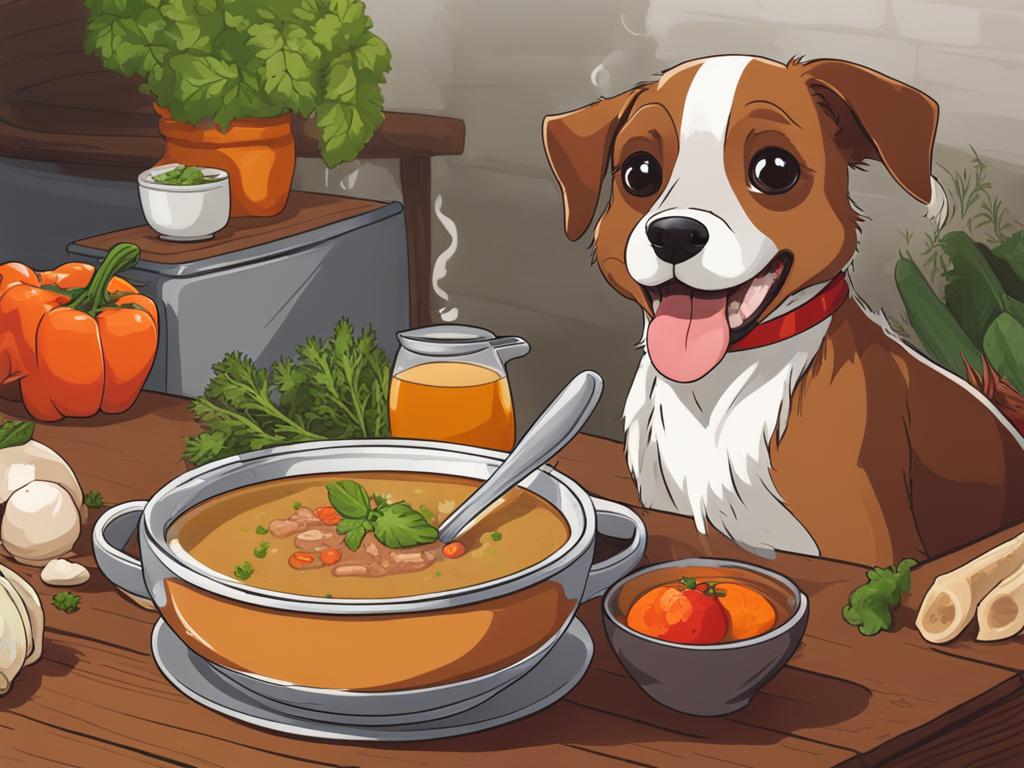
When your canine companion suffers from an upset stomach, turning to natural remedies can be both soothing for them and easy for you to manage. Two of the most effective and accessible options for treating dog gastrointestinal issues are bone broth and pumpkin. These ingredients are not only favored for their nutrient richness but also for their gentle effect on your dog’s digestive system.
Hydrating Your Pet with Bone Broth
Dehydration in dogs can be a dangerous side effect of diarrhea, and it’s vital to address this issue as swiftly as possible. Bone broth for dogs is a highly recommended solution. This nourishing liquid serves a dual purpose: it replenishes the body with essential minerals while ensuring that your dog stays hydrated. Loaded with gelatin, it also promotes healthy gut and joint health, making it a multipurpose remedy. Simply ensure the bone broth is free from onions, garlic, and excessive salt which can be harmful to your pet.
Using Pumpkin to Normalize Digestive Function
A common yet distressing issue, pumpkin for dog diarrhea is a time-tested fix. The soluble fiber present in pumpkin helps to absorb excess water in the digestive tract, making stools firmer. It also aids in the overall digestion process, helping to normalize your dog’s bowel movements. Offering a tablespoon-sized serving of plain pureed or cooked pumpkin (not the pre-spiced pie filling) can be the simple yet effective way to soothe your dog’s upset stomach. Always introduce any new food into your dog’s diet gradually to avoid further disruption.
By opting for these natural and nurturing home remedies, you can help to mitigate the effects of dog dehydration and diarrhea, ensuring your furry friend returns to full health in a gentle manner.
Proper Hydration: The Key To Recovery from Diarrhea
When your beloved pet is struggling with diarrhea, maintaining optimal hydration is not just a good practice; it’s a necessity for recovery. Realizing the importance of replenishing fluids can be the lynchpin in your dog’s journey back to health. For an effective dog dehydration treatment, understanding and maintaining electrolyte balance is as crucial as providing the right fluids for dogs.
Understanding the Role of Electrolytes
Electrolytes, like sodium, potassium, and chloride, play a vital role in your dog’s body by regulating nerve and muscle function, hydrating the body, balancing blood acidity, and helping rebuild damaged tissue. When diarrhea strikes, the swift loss of these essential minerals can disrupt the sensitive equilibrium needed for these bodily functions.
Offering Your Dog the Right Type of Fluids
It’s not always as simple as just offering your dog water; you need to ensure they are receiving fluids enriched with electrolytes to offset the potential imbalance. Products like unflavored Pedialyte can help maintain this balance, but it’s essential to consult with your vet prior to using them as a dog dehydration treatment.
A recap of the appropriate fluid options and when to use them can be structured in the table below:
| Fluid Type | Benefits | Usage |
|---|---|---|
| Water | Vital for overall hydration | Continuously available |
| Electrolyte Solutions (e.g., Pedialyte) | Helps restore electrolyte balance | Use under veterinary supervision |
| Broth (Unseasoned) | Enticing for hydration, contains minerals | Can be offered frequently, monitoring for any adverse reactions |
Remeber that prompt and appropriate action is paramount. By carefully selecting fluids for dogs and seeking advice from your vet on dog dehydration treatment, you can help your companion make a swift and safe recovery from their bout of diarrhea.
Over-the-Counter Solutions and When to Use Them
When it comes to treating dog diarrhea, some pet owners may consider OTC medications for dogs as a convenient option. However, it is critical to understand that not all over-the-counter solutions are appropriate for your furry friend. Consulting with a vet prior to administering any dog diarrhea medicine is not just a good practice, it’s a safeguard for your pet’s health.
While some OTC remedies can provide relief for minor bouts of diarrhea, they must be used responsibly. For example, bismuth subsalicylate, commonly found in products like Pepto-Bismol, can sometimes be used for dogs in small doses. However, use this medication with caution and stray away from it entirely for cats. Similarly, probiotic supplements can be beneficial in supporting a dog’s intestinal health, especially after a course of antibiotics or a gastrointestinal disturbance.
| Medication | Description | Typical Usage | Precautions |
|---|---|---|---|
| Bismuth Subsalicylate | Anti-diarrheal for mild cases | With vet guidance, infrequently and in small doses | Not for young, pregnant, or nursing dogs; may cause discoloration of the tongue and stool |
| Probiotics | Supplements to support gut flora | Daily as part of a dietary regimen | Choose formulations specific to canines |
| Kaolin/Pectin | Gastrointestinal protectant | As directed by your vet | Not recommended for severe cases or long-term use |
| Familiar Brand Remedies | Common OTC products | Only as a temporary fix while seeking vet advice | Many are not formulated for dogs and can be harmful |
Remember, certain breeds may react adversely to even the most common OTC drugs. Thus, obtaining the correct dosage from your vet cannot be overstated.
While OTC medications can sometimes act as a bridge to professional care, they should never replace a visit to the vet. In fact, unsupervised use could potentially mask symptoms of a more serious illness. Your dog’s health is important, so any persistent diarrhea should be evaluated and treated by a professional.
The Importance of Probiotics in Digestive Health
Probiotics are key to maintaining the delicate ecosystem within your dog’s gastrointestinal tract, something we refer to as the canine gut flora. Similar to how a lush garden requires a variety of plants to be at its most productive, a dog’s gut needs a range of beneficial bacteria to function optimally. Probiotics for dogs are not simply a trend; they’re foundational components for promoting digestive health and supporting the immune system, playing a pivotal role in the overall well-being of your furry friend.
After an episode of diarrhea or digestive upset, your dog’s intestinal flora may become imbalanced, leading to further health issues if not addressed. This is where probiotics step in, aiding in the restoration of balance and strengthening the gut environment. These beneficial bacteria can also help your dog digest food more efficiently, absorb nutrients better, and eliminate toxins effectively.
Including digestive health supplements specifically formulated for dogs can significantly enhance your pet’s gut flora. These supplements are carefully tailored to meet the unique needs of canines, ensuring that they receive the correct strains of bacteria beneficial to their species.
| Probiotic Source | Benefits | Recommended Usage |
|---|---|---|
| Supplements | Concentrated probiotic strains, easy to administer | As directed by veterinarian, often daily |
| Natural Foods | Additional nutrients, promotes food-based wellness | Varies, consult your vet for portion sizes |
| Fermented Foods | Rich in enzymes and probiotics | Small servings as a treat or food topper |
Be aware, though, not all yogurt or fermented foods are suitable for dogs, especially if they contain sweeteners or additives. It’s important to choose plain, unsweetened varieties and to introduce any new food into your dog’s diet gradually to monitor their reaction. Always consult your vet before incorporating any probiotics for dogs into their regimen, as they can provide guidance based on your dog’s specific needs and conditions.
Conclusion
In facing the discomfort of dog diarrhea, the path to your furry friend’s recovery often requires thoughtful management and tender care. Addressing this common ailment boils down to responsive and informed actions that prioritize your pet’s wellbeing. From implementing at-home strategies to seeking veterinary insights, the end goal is consistent—maintaining canine health and comfort. As you bid farewell to this unsettling condition, remember that the measures you take today are pivotal for future preventative care.
Summary of Remedies for Dog Diarrhea
Throughout this article, we’ve explored a variety of vet-approved practices for managing dog diarrhea, ensuring safety and effectiveness as primary concerns. Fasting as an initial step helps rest your dog’s digestive system, and following up with a bland diet of chicken and rice can gently ease them back into normal eating habits. Natural remedies like pumpkin and bone broth, famed for their nutritional benefits, support intestinal health in gentle yet potent ways. Hydration—with a vigilant eye on maintaining electrolyte balance—coupled with cautious use of OTC medications, lays the foundation for a comprehensive recovery plan.
Monitoring Your Dog Post-Recovery
Post-diarrhea care for dogs is just as vital as the immediate treatment. Observing your pet’s recovery journey allows you to act swiftly should any concerns resurface. This goes beyond merely noting the resolution of diarrhea; it involves watching over your dog’s overall behavior, appetite, and energy levels. By staying attuned to your dog’s health and continuing the dialogue with your vet, you guarantee a robust defense against potential recurrences. In essence, your dedication to your companion’s health today safeguards their vibrant spirit for the countless joyful moments ahead.
FAQ
What should I consider when treating my dog’s diarrhea?
When treating your dog’s diarrhea, it’s important to consider the underlying cause, their overall health, and the severity of their symptoms. Always consult with your vet before starting any treatment.
What are some common triggers for diarrhea in dogs?
Common triggers include dietary indiscretion, like eating garbage, infections from parasites or viruses, sudden changes in diet, and emotional distress. Canine parasites, dietary intolerances, and stress can also contribute to digestive upset.
How can I tell if my dog’s diarrhea is serious?
Persistent diarrhea, blood in the stool, severe abdominal pain, or frequent vomiting are signs of serious conditions. If your dog shows any of these symptoms, seek immediate vet care.
Are there any safe home remedies I can use to treat my dog’s diarrhea?
Yes, with your vet’s approval, you can try fasting your dog, providing a bland diet of chicken and rice, or offering natural remedies such as bone broth and pureed pumpkin to soothe their digestive system.
How should I prepare a bland diet for my dog?
Boil skinless chicken, shred it, and mix it with white rice in a 2:1 ratio without additives. Start with small portions and gradually increase the amount if well-tolerated by your dog.
Is fasting a good option when treating diarrhea in dogs?
Fasting can help a healthy adult dog’s digestive system recover, but it’s not recommended for puppies, lactating dogs, or those with certain health issues. Always provide continuous access to water when fasting your dog.
How can bone broth and pumpkin help my dog with diarrhea?
Bone broth is rich in minerals and gelatin that promote gut health, while pumpkin’s soluble fiber helps normalize digestive function. These gentle remedies can aid your dog’s recovery from diarrhea.
What should I do to keep my dog hydrated while they have diarrhea?
Provide plenty of fresh water and consider offering diluted, unflavored electrolyte solutions like Pedialyte to help maintain electrolyte balance. Consult with your vet before introducing any new fluids to your dog’s diet.
Can I give my dog OTC medications for diarrhea?
Some OTC medications, like bismuth subsalicylate and probiotics, can help with diarrhea. However, it’s crucial to consult your vet for proper dosing and to ensure it’s safe for your dog’s specific situation.
Why are probiotics important for a dog’s digestive health?
Probiotics support a healthy balance of gut bacteria and can aid the natural gut flora in reestablishing itself after a digestive upset. They may be found in supplements or natural sources like yogurt.