
You’ve probably seen them strutting down the street, muscles rippling, an air of confidence with a dignified gait that makes you do a double-take. They’re not your average pups; they’re Bully dog breeds, and they’re flipping the script on what it means to be a canine companion. Beyond the broad shoulders and tough exterior of these pooches lies a heart that beats for affection, loyalty, and family – yes, these pups are the epitome of loving family pets.
Contrary to popular belief, owning a Bully breed doesn’t mean you’re bringing home a four-legged gladiator. Far from it. The characteristics of Bully dogs revolve around a deeply ingrained fondness for their human counterparts. From the powerfully-built American Bulldog to the gentle-natured Bull Terrier, each type of Bully breed brings its unique flavor of joy to the household. Ready to embark on the journey of Bully dog ownership? Let’s unleash the facts and break down the stereotypes.
Key Takeaways
- Bully dog breeds are misunderstood guardians cloaked in a sturdy physique and tender hearts.
- Spotlight on loyalty: these dogs are not just pets, they’re fervent family members.
- Not just a single breed, Bully dogs come in various types, each with distinctive traits.
- Beneath the brawn is a soft spot for human connections, debunking the myth of the “aggressive Bully”.
- Considering a Bully? Be prepared for a journey filled with generous licks and unwavering companionship.
The Legacy of Bully Dog Breeds
Dive into the rich tapestry of bully dog ancestors and discover how the valiant protectors of yore have transformed into today’s lovable companions. Bulldog enthusiasts, you’re in for a treat as we unearth the origins and the evolution that shaped these cherished breeds.
Historical Roots from the Molossus to Modern Descendants
The story of the bully dog breeds is a journey back in time, where the Molossus, known for its imposing muscular build, laid the cornerstone for the breed history we appreciate today. It is the robust Old English Bulldog that we have to thank for passing down the genes of grit and grace.
How Selective Breeding Shaped Today’s Bullys
When the British declared animal blood sports illegal, the role of the Bulldog had to be revisited. Through judicious selective breeding of dogs, the progenitors of gusto gave rise to variants such as the adored French Bulldog – a twist in dog breed development propelled by compassion and innovation.
| Original Trait | Selective Breeding Goal | Modern Descendant |
|---|---|---|
| Ferocity for blood sports | Reduced aggression | Family-friendly French Bulldog |
| Massive body size | Better health and agility | Smaller, healthier stockier breeds |
| Unyielding bravery | Companionable protectiveness | Devoted and watchful English Bulldog |
Let’s not forget, this grand narrative of canine transformation is not just about genes and pedigrees. It’s about your pal, your sofa companion, the four-legged individual with whom you share laughter and love – all thanks to the dedicated hands of history’s breeders.
Defining Characteristics of Bully Breeds
Bully breed personality shines through with their unmistakable love and devotion to you, their esteemed owner. Imagine a furry friend whose loyalty knows no bounds and whose protective instincts make them the furry guardian of your homestead. When it comes to protective dogs, these breeds stand out for their vigilant temperament, always ready to stand between you and any perceived threat.
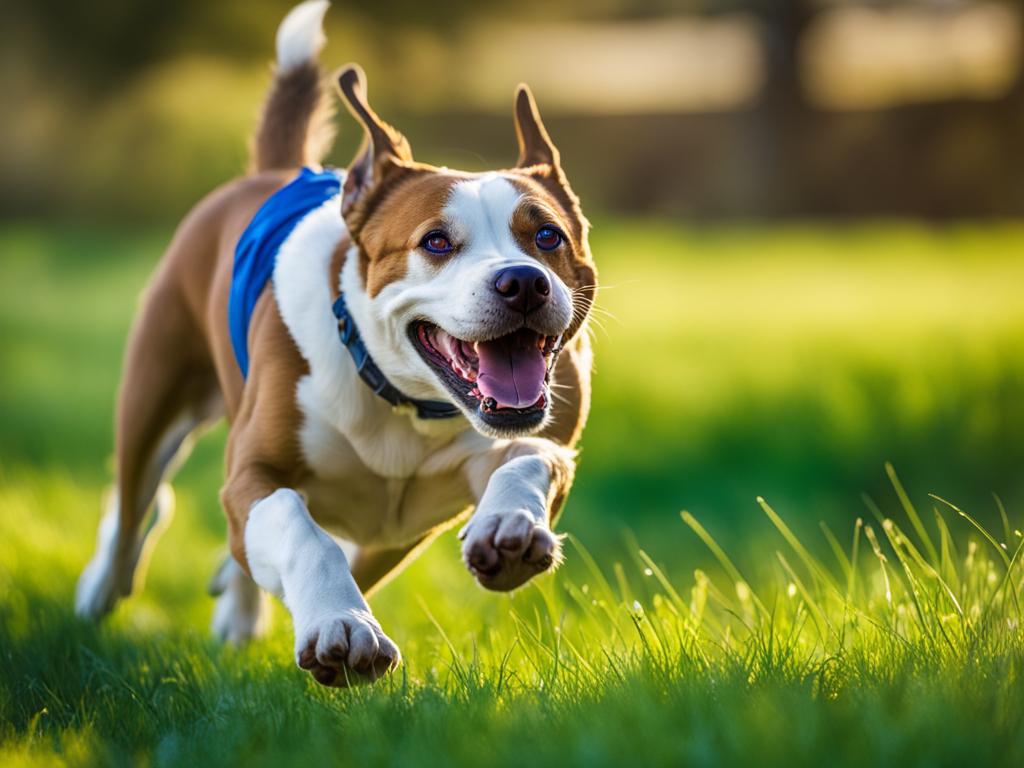
It’s not all about brawn and bravery, though. The Bully dog temperament is infused with a sense of humor that can turn any dour day into a joyous one. Despite this, don’t let their jester-like antics fool you; the exercise needs of Bully dogs are as varied as their personalities. For instance, your American Bulldog buds will relish a game of fetch or a romp through the park, while your English and French Bulldog companions are more content puffing along on a leisurely stroll.
“The Bully breed, much like a steadfast friend, remains by your side, matching every stride with enthusiasm or, as needed, a calming presence that echoes the serenity of a quiet afternoon.”
Speaking of enthusiasm, Bully breeds are not just muscle and smiles—they’re also sharp as a tack. They might show a streak of independence at times, especially when they lock onto a scent or spot a speedy squirrel zipping by. Yes, they have been known to display an enviable persistence, but worry not; with consistent training and positive reinforcement, even their most headstrong moments can be molded into obedience triumphs. Remember, a well-exercised Bully is a content and manageable companion, less inclined to find mischief to satisfy their innate predatory playfulness.
- Love and loyalty that’s unwavering
- Protectiveness that’s profound
- A humor that’s heartening
- Exercise needs that range from robust to relaxed
- Temperament that’s teachable with a touch of tenacity
So, next time you gaze into your Bully breed’s big, soulful eyes, know that within that muscular frame lies a heart of gold, a spirit of adventure, and if you’ve just come home, probably the hope for a treat or two.
What Is a Bully Dog: Understanding the Breed
Ever found yourself wondering, “What on earth is a Bully dog?” Let’s clear the air: a Bully dog definition refers not to a singular breed, but to a pack of breeds with a strong family lineage, known for their muscular physique and human-loving hearts. Despite their imposing appearance, they’ve earned significant fame as family-oriented pets, thanks to their affectionate natures and love for playtime.
Now, don’t get it twisted; while their ancestors may have been rough and tough, today’s Bully dogs are anything but. They’re the epitome of companion animals, whether lounging on your lap or guarding the yard, they do all with equal enthusiasm. Their characteristics span from the protective and dignified American Bulldog to the comical little tank that is the French Bulldog. One thing’s for certain: Bully breed characteristics include a melting pot of personality traits, all tailored to slot right into your family fabric.
These dogs are sociable creatures who thrive in an environment where they can be the star of the show, partaking in family outings and snuggling up during movie nights.
“Bully breeds are like the friend who always wants to hang out, except they have four legs and don’t need invitations,”
as the saying goes. They blend a robust build with a softness for human connection, morphing from misunderstood brutes into beloved family members.
- Tail-wagging affection
- Fiercely loyal companionship
- An unyielding zest for life and love of play
You’ll find their hearts are as broad as their smiles (yes, they do smile), illustrating that Bully breeds are more than their burly, block-headed stereotypes. They just might be the missing puzzle piece to your bustling, loving home.
Popular Bully Breeds You May Know
When you think of bully breeds, there’s a good chance a few iconic faces come to mind. These pooches have a history as rich and varied as any of the grand tapestries hanging in a museum, telling tales of transformation from fierce gladiators to your pal who’s content just chilling on the couch. Let’s dive into the sagas of these beloved breeds.
The English Bulldog: A Symbol of Excellence
Wrinkly faces, a steady gait, and a history of being Britain’s bravest – the English Bulldog has a storied past worth wagging about. From its origins in the gritty world of bull baiting to becoming a beloved icon of resilience, the English Bulldog’s journey embodies an indomitable spirit. 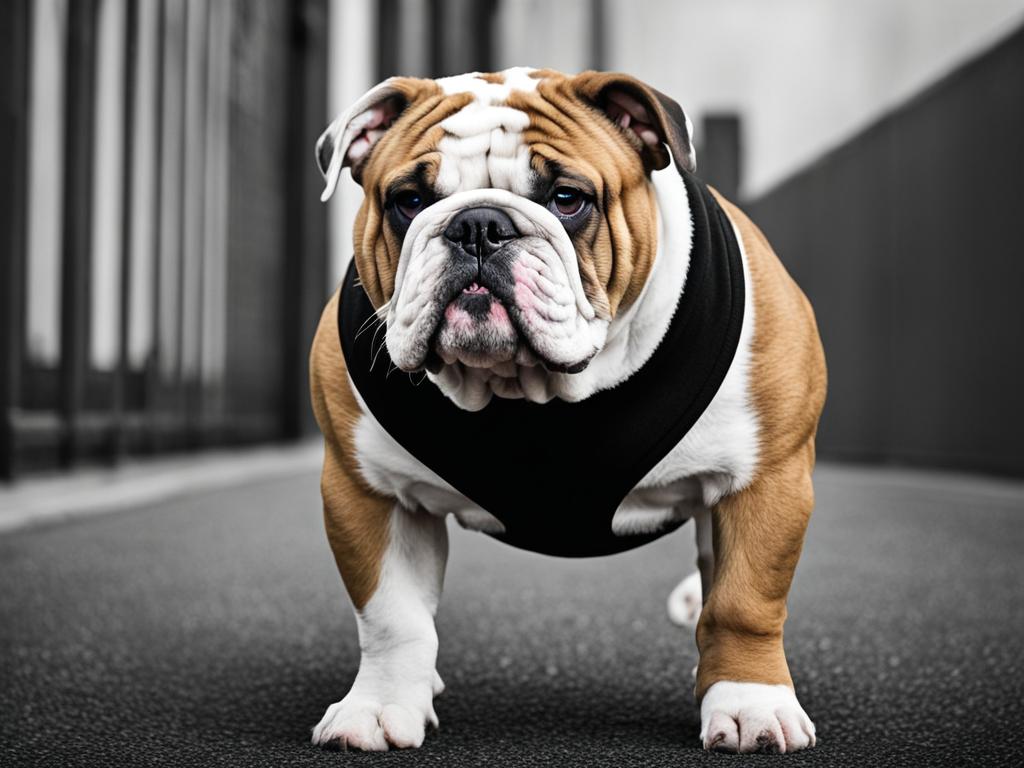
French Bulldog: The Parisian Charmer
From the bloodied rings of dog fights to the laps of high society, the French Bulldog has pirouetted into the role of the ultimate companion. With bat-like ears and a heart as big as its personality, this breed’s evolution is an enchanting tale of how grit turned into grace.
Staffordshire Bull Terrier: The Reliable Companion
Meet the nanny of the dog world – the Staffordshire Bull Terrier. Don’t let their fighting-dog heritage fool you; these pups are as sweet as the cookies in Grandma’s jar, and their temperament? Total gold stars on the report card. Loyal to the core and affectionate to a fault, they’re proof that even the roughest diamond can sparkle with love.
| Breed | Origin Story | Today’s Role | Notable Trait |
|---|---|---|---|
| English Bulldog | English bull baiting rings | Family Companion | Persistence |
| French Bulldog | French blood sport arenas | Fashionable Sidekick | Adaptability |
| Staffordshire Bull Terrier | British fighting pits | Trusted Friend | Affectionate Nature |
Busting Common Myths About Bully Dogs
Let’s dig into some of the tall tales you’ve likely heard about Bully dogs. These muscular furballs are often subjected to bad press that’s just not true. Do they lock their jaws? Are they prone to aggression? Continue reading and find out the real scoop on these misunderstood canines.
Jaw Locking: Separating Fact from Fiction
One of the most widely spread Bully dog myths is the notion that these pooches have a jaw that locks. Now, you might love a good sci-fi story, but this one belongs in the fiction aisle. No dog, regardless of breed, has a jaw mechanism capable of “locking.” Veterinary science confirms this to be impossible, so next time you hear this one, just nod and smile knowing it’s pure fantasy.
Aggression Misconceptions: The Truth Behind the Tales
Another unjust stereotype slung at Bully breeds is their supposed inherent aggression. Let’s dispel this one once and for all: no evidence suggests that Bully breeds are more aggressive towards humans than any other type of dog. They’re not the Hulks of the canine world; in fact, they’re more like the Hulk when he’s Bruce Banner—gentle, loving, and, yes, big fans of cuddles, especially with children. Their bite inhibition is a testament to their intelligence and further deconstructs the dog behavior misconceptions placed upon them.
If you’re raising your eyebrows in doubt, consider the Bully breeds you’ve met. More often than not, they’re wagging their tails rather than baring their teeth. Remember, the environment and training play far more significant roles in a dog’s behavior than their breed.
Now that we’ve unraveled the mysteries and debunked the myths, aren’t you feeling a bit more enlightened? These canines aren’t the tough guys they’re often portrayed as; they’re big softies waiting for a chance to show just how friendly they are. So, next time you encounter a Bully dog, you’ll know better than to judge a book by its cover—or a dog by its breed!
The Importance of Socialization and Training
Do you know that old saying, “You can’t teach an old dog new tricks”? Let’s toss that right out along with your ripped up chew toys. When it comes to Bully dog socialization and dog training, the window of opportunity isn’t shut tight after puppyhood – it just gets a bit narrower. Early and consistent training melded with a heaping scoop of positive reinforcement for dogs turns that stubborn Bull into the ace companion you always wanted. Remember, a well-socialized Bully is like a well-seasoned cuisine; it just gets better with time and the right ingredients.
Dive into the pool of socialization early. Introduce your Bully breed pup to a kaleidoscope of experiences. The sounds of the city, the sights of the countryside, the pitter-patter of little feet, even the mail carrier – make these a part of your dog’s world, and watch as they navigate adulthood with poise. It’s all about setting the scene for a well-adapted, sociable pooch. Now, let’s talk turkey about training—you’re not just teaching “sit” and “stay”; you’re building a language between two species with canine behavior training techniques that go beyond the biscuit.
Positive reinforcement isn’t just a fancy term; it’s the golden ticket to your dog’s brain. It’s like saying “yes!” instead of “no,” and your dog will be wagging their tail to the rhythm of success.
| Socialization Strategy | Positive Reinforcement Tactic | Tangible Benefit |
|---|---|---|
| Exposure to different people and animals | Reward-based interactions | Boosts confidence and sociability |
| Acclimation to various environments | Encouragement and affection | Reduces anxiety and fearfulness |
| Introduction to new sounds and experiences | Treats and playtime for curiosity | Fosters adaptability and calmness |
So, you’re armed with bits of wisdom on how to mold your charming Bully into a delightful neighbor and friend. Remember, the grand theatre of dog parks, sidewalks, and your bustling living room is waiting for them. Get out there, keep it positive, and watch your tenacious companion win the hearts of everyone they meet—four paws at a time.
Health and Wellness for Bully Breeds
Keeping your Bully breed dog in tip-top shape is a mission that demands both affection and acumen. You, the devoted pet parent, are the frontline defense in preserving the health and wellness of these muscular companions. Let’s strap on our best collars and dive into the essentials of taking care of your Bully breed’s health.
Preventive Measures and Regular Vet Check-Ups
First things first: vet visits are not just for when your canine companion is under the weather. Regular veterinarian care for dogs is like catching a sniffle before it turns into a sneeze—it’s all about prevention. From vaccinations to annual health screenings, setting up an ongoing schedule with your vet keeps your buddy bounding with vitality.
Facing Common Health Issues with Informed Care
Even with a regimen as tight as their leashes on a walk, common dog health issues can arise. Knowledge is power, and awareness of these conditions will equip you to spot any signs early on, ensuring your pooch gets the prompt care it needs. Let’s examine some familiar fixes to prevent common woes from turning into big “bow-wows.”
| Health Issue | Preventive Measure | Signs to Watch For |
|---|---|---|
| Hip Dysplasia | Maintain a healthy weight and regular, low-impact exercise. | Limping, difficulty rising, reluctance to jump or run. |
| Respiratory Problems | Avoid hot, humid environments and excessive exercise. | Noisy breathing, coughing, or intolerance to exercise. |
| Skin Infections | Regular grooming and skin checks, especially in wrinkled breeds. | Itching, redness, or an unpleasant smell. |
Remember, taking care of your Bully breed doesn’t stop at keeping the water bowl full and the belly rubs coming. It’s all about giving diligent dog wellness the attention it deserves. Stick with this roadmap, and you’ll navigate the ups and downs of Bully breed health like a pro.
Celebrating the Bully Dog: Why They Make Great Pets
Considering adding a furry member to your family? Look no further! Bully dogs have been stealing the hearts of pet lovers, emerging as one of the most family-friendly dogs out there. They blend into the home like butter on toast, becoming an inseparable part of your daily life. Why choose a Bully dog, you ask? Let’s dig into the reasons why these loyal canines might just be the loving pet breeds you’re looking for.
Bully breeds are a testament to the notion that a dog is man’s best friend. With a characteristically joyful demeanor, they know exactly how to uplift the spirits of their human companions. Patience might as well be their middle name, especially when it comes to interactions with children, making them exceptional pets for families with little ones. Whether they are joining you for a cozy movie night or accompanying the kids in backyard adventures, Bully dogs as pets wear many hats – or should we say, leashes?
- Loyal Companions: Your trusty sidekick in all walks (quite literally) of life.
- Playful Pals: Ready to spring into fun with hilarious antics that’d give any comedian a run for their money.
- Protective Pals: When it comes to safety, they’ve got your back – no ifs, ands, or barks about it.
Whether it’s their magnificent intelligence or their solid loyalty, choosing a Bully dog as your next furry friend means signing up for a life filled with love and laughter. So, why not welcome this four-legged bundle of joy into your hearth and home? Trust us, your sofa snuggle game will never be the same!
Conclusion
As we turn the final page on our exploration of Bully breeds, your role in their narrative becomes undeniably clear. You’ve seen how these dogs have muscled their way through adversity, blossoming into breeds that are not only robust in stature but also in spirit. It is your understanding and advocacy that have begun to reshape the image of these canine companions.
Embracing the Bully Breed: Beyond the Stigma
You’ve witnessed the key to embracing Bully breeds lies beyond the veil of stigma—an embrace that demands acknowledgement of their loyalty, affection, and zest for life. By infusing the public discourse with factual insights and positive experiences, we can edge out outdated myths and revel in the reality of these tail-wagging marvels.
Continuing Responsible Ownership for a Brighter Future
Your commitment to responsible dog ownership, combined with positive dog breeding practices, casts a beacon of hope for the future of Bully breeds. By advocating for these noble animals, you’re not only ensuring the welfare of each pooch but also championing a cultural shift—from skepticism to acceptance, from breeds burdened by legacy to breeds celebrated for their true nature.
FAQ
What exactly defines a Bully dog breed?
A Bully dog breed is a type of muscular, loyal, and characteristically flat-faced breed whose ancestry can be traced back to the ancient Molossus dogs. They’re known for being affectionate, family-oriented companions, despite their sturdy and sometimes intimidating appearance.
Are Bully dogs good family pets?
Absolutely! Bully dogs are known for their loving nature and patience with children, often becoming joyful and protective members of the family. They’re basically the comedians of the canine world, adding laughter and warmth to any home they grace.
How did selective breeding affect modern Bully breeds?
Selective breeding played a role straight out of a makeover reality show—it boosted their best attributes, like their affectionate demeanor, and tried to curb health issues that come with their iconic physical traits. No more fighting history, just a whole lot of love.
What kind of exercise do Bully dogs need?
That depends on the breed’s size and energy level. Some high-octane types, like the American Bulldog, crave action-packed adventures, while the couch-loving Frenchies are more into brief, daily walks and quality snuggle time.
Can you debunk the ‘Bully dogs have a locking jaw’ myth?
In the world of fake news, the locking jaw myth is the Loch Ness Monster—widely talked about but totally not real. No breed has a mechanical lock in their jaw; this is simply a tall tale that’s been scientifically discredited.
What types of training work best for Bully dog breeds?
These pups respond phenomenally to applause—aka positive reinforcement! Think treats, praise, and playtime. Their sometimes stubborn streak can be channeled into impressive learning sessions with the right positive tricks up your sleeve.
Are Bully breeds prone to any specific health issues?
Sure, the muscle-bound crowd of the canine world faces some health hurdles, from breathing difficulties to joint issues like hip dysplasia. It’s all about proactive care: feeding them a champion’s diet, keeping them fit, and regular check-ups with the vet to keep them healthy and happy.
Why should I consider a Bully dog over other breeds?
If you’re looking for a pet that brings the same amount of love to the table as you do, then a Bully breed might just be your match made in doggy heaven. They’re gentle giants at heart and make stellar companions—loyal, affectionate, and always down for family fun.
How have Bully breeds evolved over time?
Think of the Bully breed as the phoenix of the dog world—rising from a background in blood sports to become adored family pets. They’ve revamped their image thanks to passionate advocates and owners who nurture their naturally loving traits.
What can I do to contribute to a positive perception of Bully dogs?
Be the Bully breed ambassador you wish to see in the world. Educate the masses, flaunt your well-behaved pooch, engage in responsible breeding, and above all, shower your Bully with love and stellar care. Your pooch’s wagging tail and friendly licks will do the rest.